
A Structured Lawn Approach in Sherman
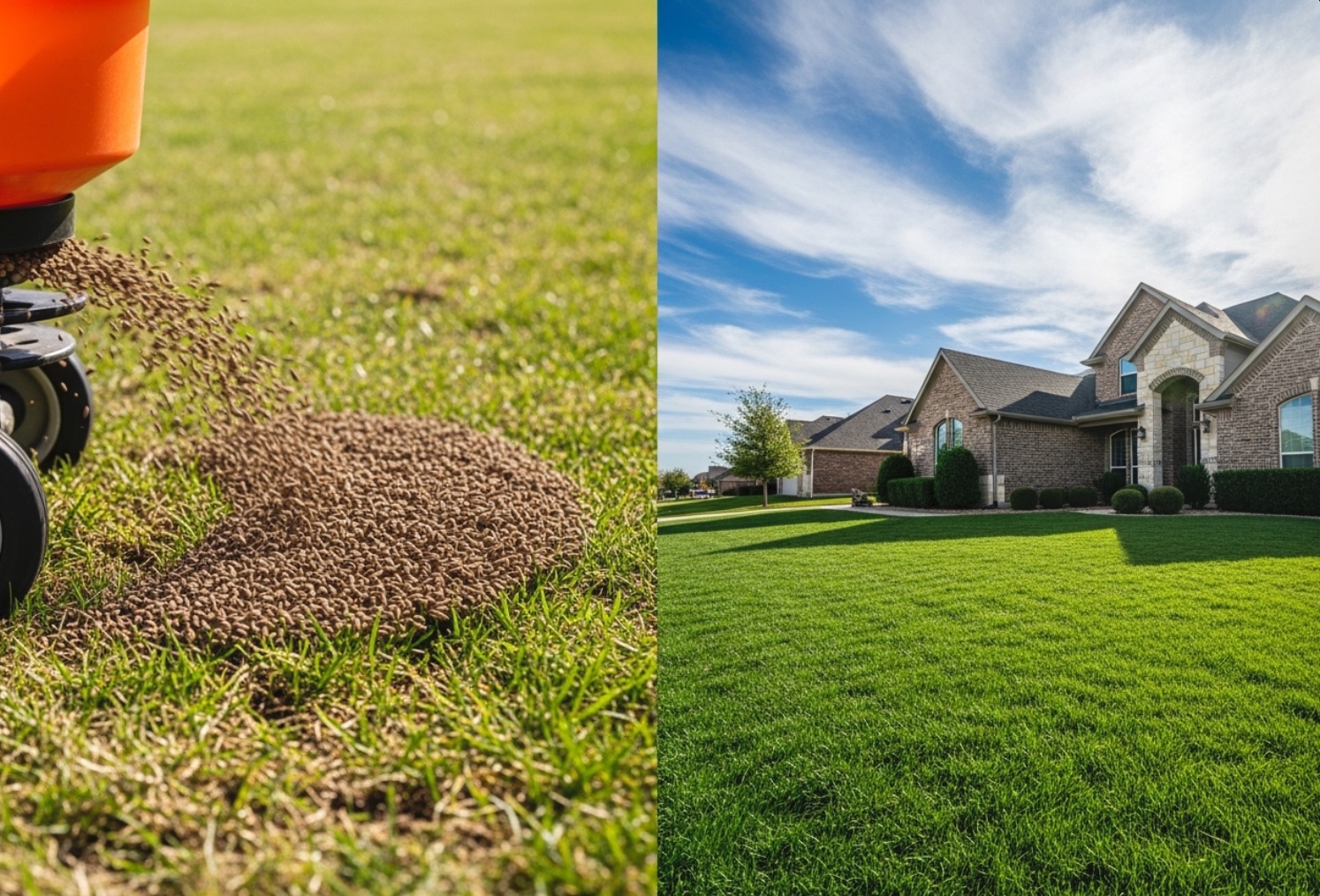
When to Overseed Your Lawn in North Texas: The Complete Homeowner Guide
If your lawn in Sherman, TX is starting to look thin, patchy, or uneven, you’re likely asking: Should I overseed? And if so, when?
In North Texas, lawn care isn’t just about reacting to problems—it’s about anticipating them. Because our weather swings from mild springs to intense 100°F+ summers in weeks, timing is everything.
Part 1: The Best Time to Overseed in Sherman
For permanent warm-season grasses like Bermuda and Zoysia, the ideal window is:
Late April through Early June
Why This Window?
- Soil Temperature: Bermuda needs soil consistently above 65°F (ideally 70°F+) to germinate. In Sherman, this rarely happens before late April.
- Growth Momentum: Grass is entering its peak growth phase, giving it the strength to "crowd out" weeds.
- Root Establishment: Seedlings need time to settle before the brutal heat of July and August.
The Fall Myth: In the North, people seed in the fall. In North Texas, fall seeding is only for temporary Ryegrass (winter color). For a permanent, thick lawn, stick to the spring.
Part 2: The 7-Step "Structured Approach"
Successful lawns in Sherman aren't made with one-off treatments. They follow a seasonal rhythm that works with the climate:
1. Early Spring Pre-Emergent
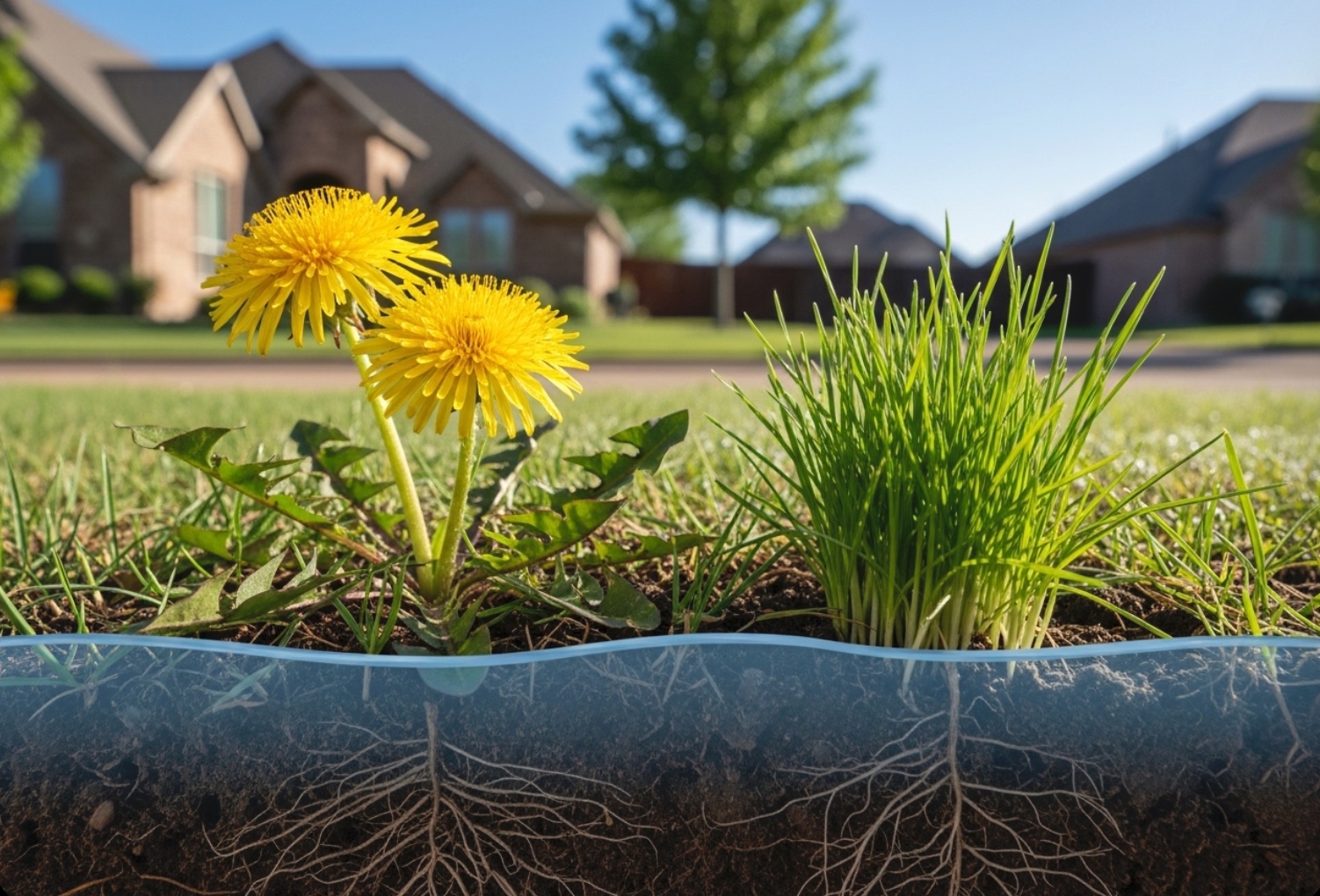
Weed problems start underground in late winter. Pre-emergent creates a barrier that stops crabgrass before you ever see it.
2. Spring Fertilization (April–May)
Stimulates root development and lateral growth to help the lawn recover from winter dormancy.
3. Late Spring Weed Treatment
Cleans up any "breakthrough" weeds that the pre-emergent missed, ensuring your new seed doesn't have to compete for space.
4. Summer Fertilizer & Resilience
Summer in Grayson County is intense. We focus on potassium for stress tolerance rather than pushing rapid growth that the heat might kill.
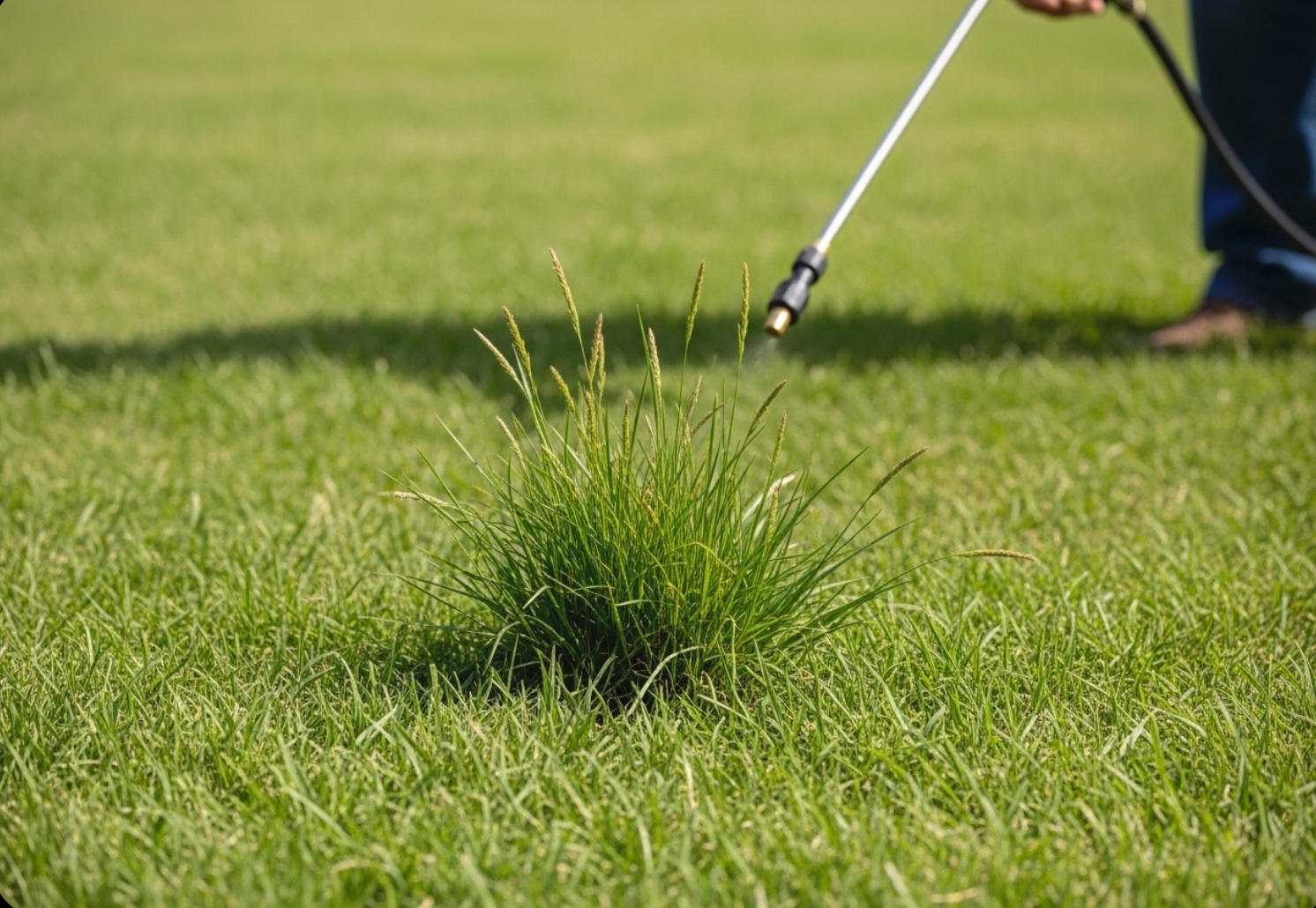
5. Summer Weed Control
Opportunistic weeds love the 95°F heat. Targeted treatments keep them from taking over bare spots.
6. Fall Pre-Emergent
Winter weeds germinate when temperatures drop. This step prevents your lawn from being overrun with weeds by February.
7. Fall Fertilization
Strengthens the root system one last time before the grass goes dormant for the winter.
Part 3: Step-by-Step Overseeding for Clay Soil
Sherman’s heavy clay soil compacts easily, which is the #1 reason overseeding fails. Follow these steps:
- Mow Low: Scalp the lawn slightly lower than usual to ensure seed-to-soil contact.
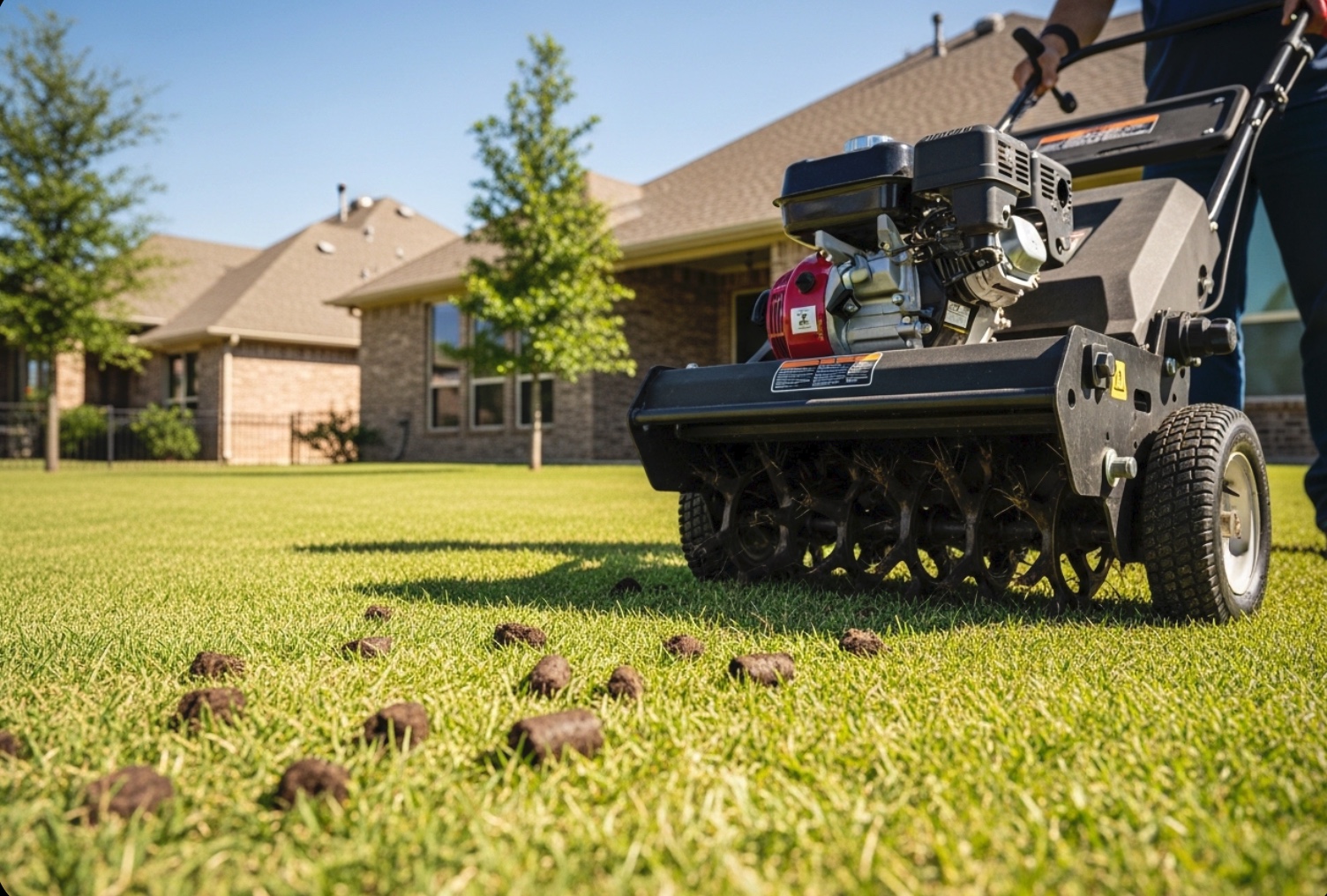
- Core Aerate: This is mandatory for clay soil. It opens up "pockets" for the seed to fall into.
- Spread Evenly: Use a broadcast spreader; clumping leads to an uneven, patchy look.
- Watering (The Critical Step): Light, frequent watering (1–2 times daily) for the first 14 days is essential. Never let the seed dry out.
FAQ: Common Sherman Seeding Questions
QuestionAnswerCan I seed in March?Usually too early. Cold nights in the 40s will stall or kill germination.Can I seed in July?Risky. You'll need massive amounts of water to keep seedlings alive in 100°F heat.Will seeding fix weeds?No. You must kill the weeds first, or they will steal the water and nutrients from your new grass.
Explore other Article
Discover other blogs related to the topic you read.
Ready To Make Your Lawn Look Brand New?
Contact us today to schedule a free estimate for your lawn care or call us to learn more about lawn care for your property