
How Long Does Fertilizer Last in Texas?
How Long Does Lawn Fertilizer Last in Texas? A Sherman Homeowner’s Guide
Homeowners searching for "lawn care near me" in Sherman often ask the same question after a treatment: how long should this last? When the grass starts fading or weeds return sooner than expected, it can feel like the fertilization didn't work.
The reality is that fertilizer is working—but its lifespan in Texas depends on soil type, weather, and application method. Here is what Sherman homeowners should realistically expect.
The Quick Answer: 4 to 8 Weeks
In the Texas climate, most professional lawn fertilizers last between 4 and 8 weeks. ### Longevity by Season in Sherman| Season | Typical Duration | Why? || :--- | :--- | :--- || Spring | 6 – 8 Weeks | Ideal temps allow for steady nutrient uptake. || Summer | 4 – 6 Weeks | High heat breaks down Nitrogen faster; grass "eats" more to survive. || Fall | 6 – 8 Weeks | Slow-release blends focus on root strength for winter. || Winter | N/A | Growth is dormant; feeding is minimal. |
Why Fertilizer Behaves Differently in Sherman, TX
Sherman lawns face unique challenges that can shorten the lifespan of standard "big box" store fertilizers.
1. The Clay Soil Factor
Sherman is notorious for heavy clay soil. Clay is dense and often compacted, which means:
- Runoff: Fertilizer can sit on the surface and wash away during a heavy North Texas thunderstorm before it ever hits the roots.
- Lock-out: Nutrients can become "locked" in the clay, making them inaccessible to the grass.
2. Quick-Release vs. Slow-Release
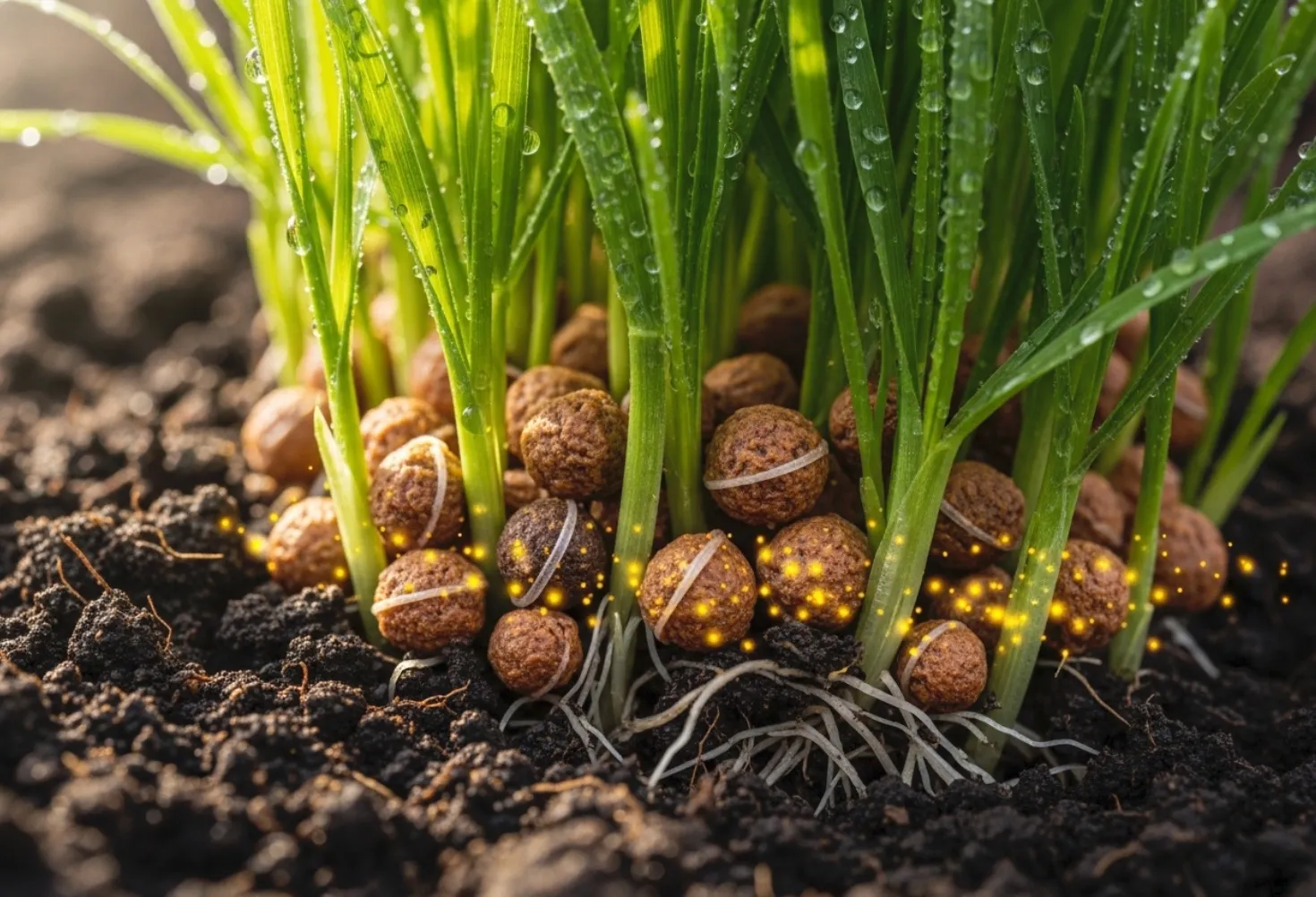
Many DIY fertilizers are "quick-release," giving you a 2-week burst of green that fades instantly. Professional programs in Sherman use slow-release granules that "spoon-feed" the lawn over 2 months.
3. The Texas Heat
When temperatures regularly exceed 95°F, grass enters a semi-dormant state to protect itself. If you use the wrong fertilizer during this time, it won't "last"—it will simply sit there and potentially burn your lawn.
Signs Your Fertilizer is Wearing Off
Your lawn will tell you when it’s hungry. Look for these early warning signs:
- Color Fade: The deep emerald green shifts to a pale, yellowish-green.
- Slower Growth: You find yourself needing to mow less frequently.
- Weed Takeover: As the grass thins from lack of nutrients, opportunistic weeds like crabgrass begin to fill the gaps.
Pro Tip: Don't wait for the lawn to turn brown. Consistent fertilization every 6–8 weeks ensures the "nutrient floor" never drops too low.
FAQ: Fertilizing in North Texas
Does rain wash away fertilizer in Sherman?Light rain is actually good—it "activates" the fertilizer. However, the heavy "gully washers" common in Grayson County can wash granules off the clay soil and into the storm drains if not applied correctly.
Can I fertilize my lawn every month to keep it green?We don't recommend it. Over-fertilizing can lead to "thatch" buildup and can actually weaken the root system. Stick to a professional 6–8 week cycle.
Is professional fertilization worth the cost?Yes. Because pros use commercial-grade slow-release blends, the treatment lasts nearly twice as long as many retail products, saving you money on re-application.
Explore other Article
Discover other blogs related to the topic you read.


Ready To Make Your Lawn Look Brand New?
Contact us today to schedule a free estimate for your lawn care or call us to learn more about lawn care for your property