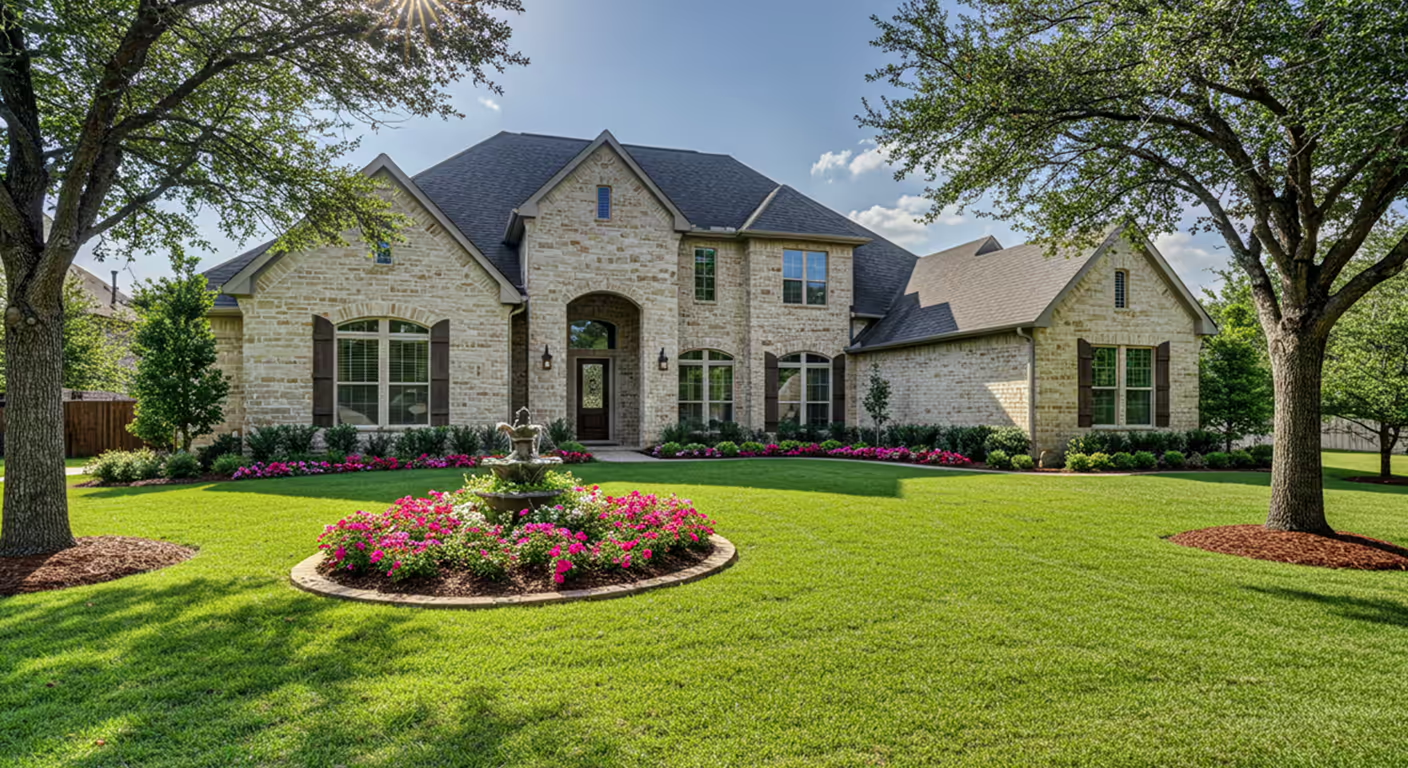
How to Fix Patchy Lawns North Texas
How to Fix Patchy Lawns in North Texas: A Sherman Homeowner’s Guide
If your lawn looks more like a patchwork quilt than a golf course, you are likely dealing with localized stress. In Sherman, grass rarely dies across the entire yard at once. Instead, it thins out in patches where the soil is too hard, the weeds are too aggressive, or the water isn't reaching the roots.
Patchiness is a message from your lawn that something is wrong beneath the surface. Here is how to decode those patches and fix them for good.
The Diagnostic: Why is it Patchy?
Before you buy seed or fertilizer, you need to know why the patch exists. In North Texas, the cause usually fits into one of these three categories:
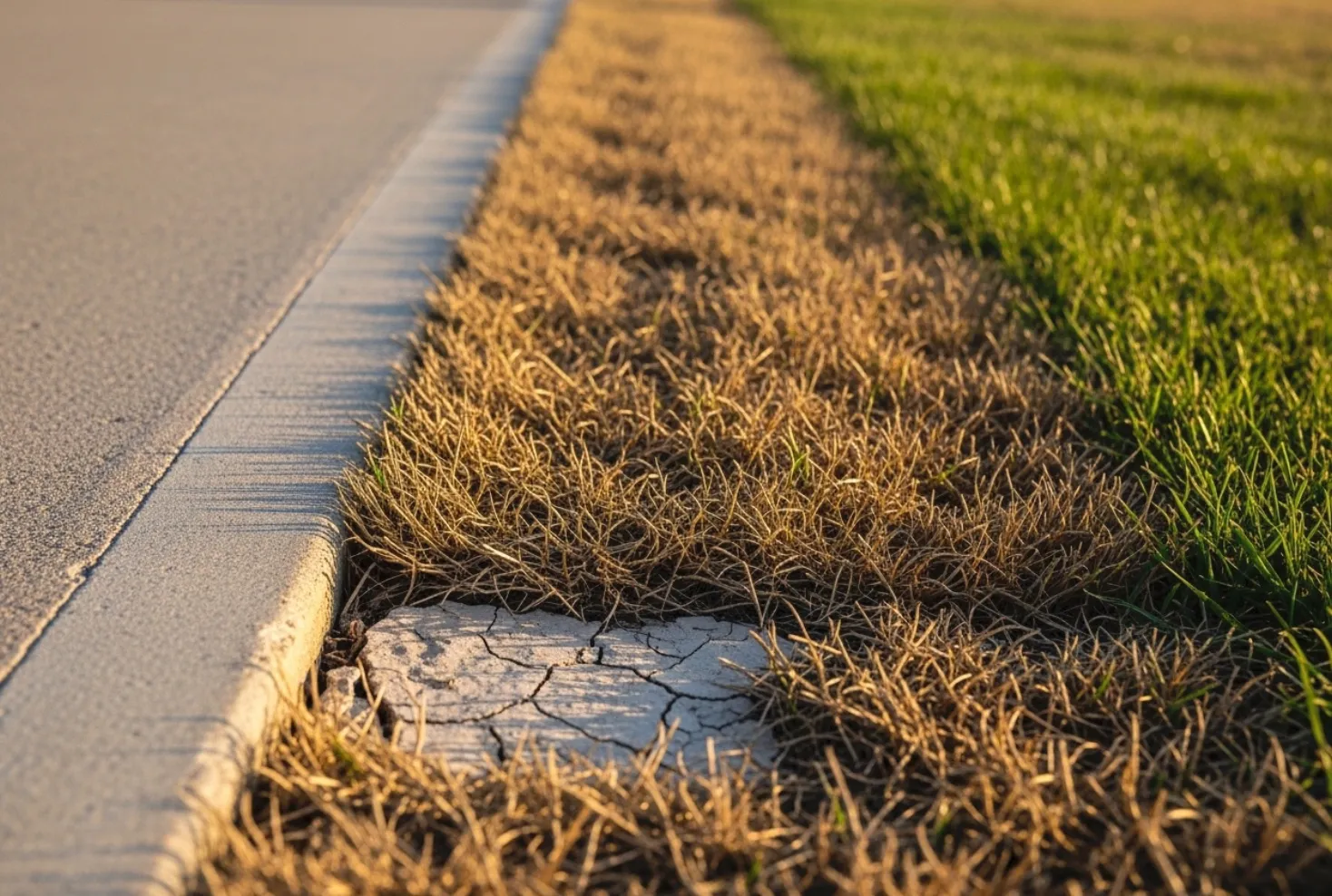
1. The "Hot Zone" (Heat & Concrete)
- Where: Usually along driveways, sidewalks, or curbs.
- Why: Concrete absorbs heat and "cooks" the edges of your lawn. If your clay soil is compacted, these edges dry out instantly.
- The Look: Crispy, brown, or straw-colored edges.
2. The "Weed Takeover" (Nutrient Theft)
- Where: Random spots throughout the yard.
- Why: Weeds like Dallisgrass or Spurge grow in circular clumps. They steal all the water and nutrients in a 12-inch radius, causing the grass around them to thin and die.
- The Look: A green weed surrounded by a "halo" of thin or brown grass.
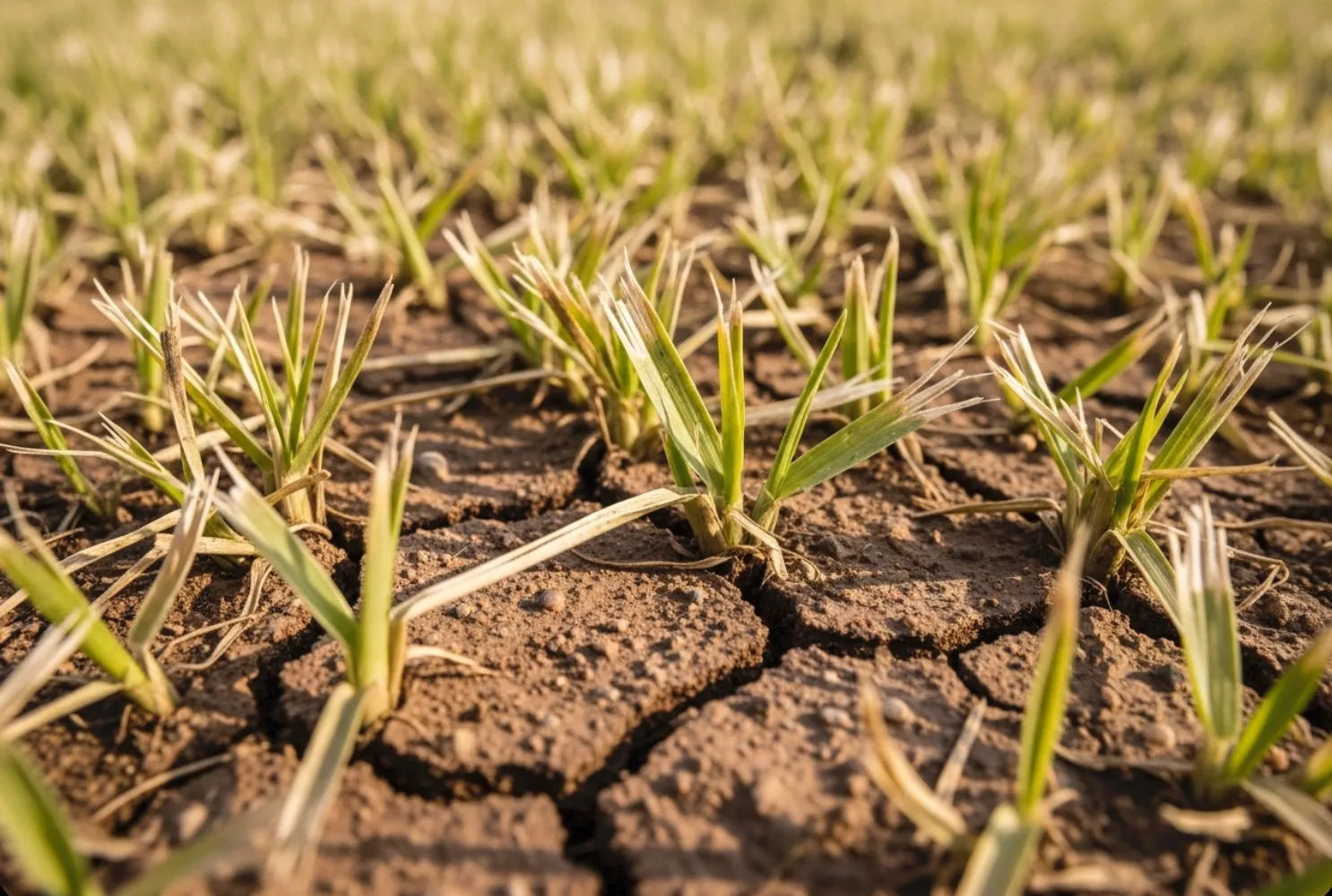
3. The "Compaction Dead-Zone"
- Where: High-traffic areas, pet runs, or where the mower turns.
- Why: Sherman clay packs down like concrete. Roots can't breathe, and water can't get in.
- The Look: Thin, stunted grass that stays pale even after it rains.
The 6-Step Fix for Sherman Lawns
Step 1: Relieve the Pressure (Aeration)
You cannot fix a patchy lawn in Sherman without addressing the clay. Mechanical core aeration pulls "plugs" out of the ground, allowing the patches to finally breathe.
Step 2: Eliminate the Competition
Use a professional post-emergent weed control to kill the "theft" weeds. You have to remove the intruder before the grass has room to spread back into that patch.
Step 3: Feed the Recovery
Apply a balanced, slow-release fertilizer. This provides the "fuel" your Bermuda or Zoysia needs to grow laterally and fill in the bare spots.
Step 4: The "Deep Soak"
Switch to deep, infrequent watering (2-3 times a week). This pushes moisture deep into the clay, encouraging roots to grow under the heat-stressed surface.
Step 5: Raise the Mower Blade
Stop scalping! Taller grass blades shade the soil, keeping the "patches" cooler and helping them retain moisture.
Step 6: Targeted Repair (If Needed)
If the patch is completely bare soil (larger than a dinner plate), you may need to install a piece of sod or use a specialized North Texas seed blend.
FAQ: Patchy Lawn Restoration
Will my grass fill in the bare spots on its own?If you have Bermuda grass, yes! It is a "creeping" grass. Once you kill the weeds and soften the soil, it will naturally send out "runners" to fill in patches. St. Augustine and Zoysia spread slower but will also fill in with proper care.
Why are my patches turning yellow?Yellow patches are often a sign of Iron deficiency or Nitrogen hunger. In Sherman's alkaline clay soil, grass often struggles to absorb iron, leading to "chlorosis" (yellowing).
Is it too late in the year to fix patches?The best time to fix patches is during the active growing season (Late Spring through Early Fall). If you try to fix patches while the grass is dormant in winter, you won't see results until the ground warms up.
Explore other Article
Discover other blogs related to the topic you read.

Ready To Make Your Lawn Look Brand New?
Contact us today to schedule a free estimate for your lawn care or call us to learn more about lawn care for your property