
Lawn Care for Clay Soil Texas
Lawn Care for Clay Soil in Sherman, Texas: The Complete Homeowner Guide
In Sherman, clay-heavy soil is the norm, not the exception. While clay is actually rich in nutrients, it holds onto them so tightly that grass roots often can't reach them. To a homeowner, this looks like a lawn that stays thin and patchy no matter how much you water it.
The secret to a great lawn in North Texas isn't about changing your soil—it's about changing how you manage it. Here is the blueprint for turning Sherman "gumbo" clay into a lush, green carpet.
The Clay Soil Challenge: Why It’s Different
Clay soil is made of microscopic, flat particles that pack together like a deck of cards.
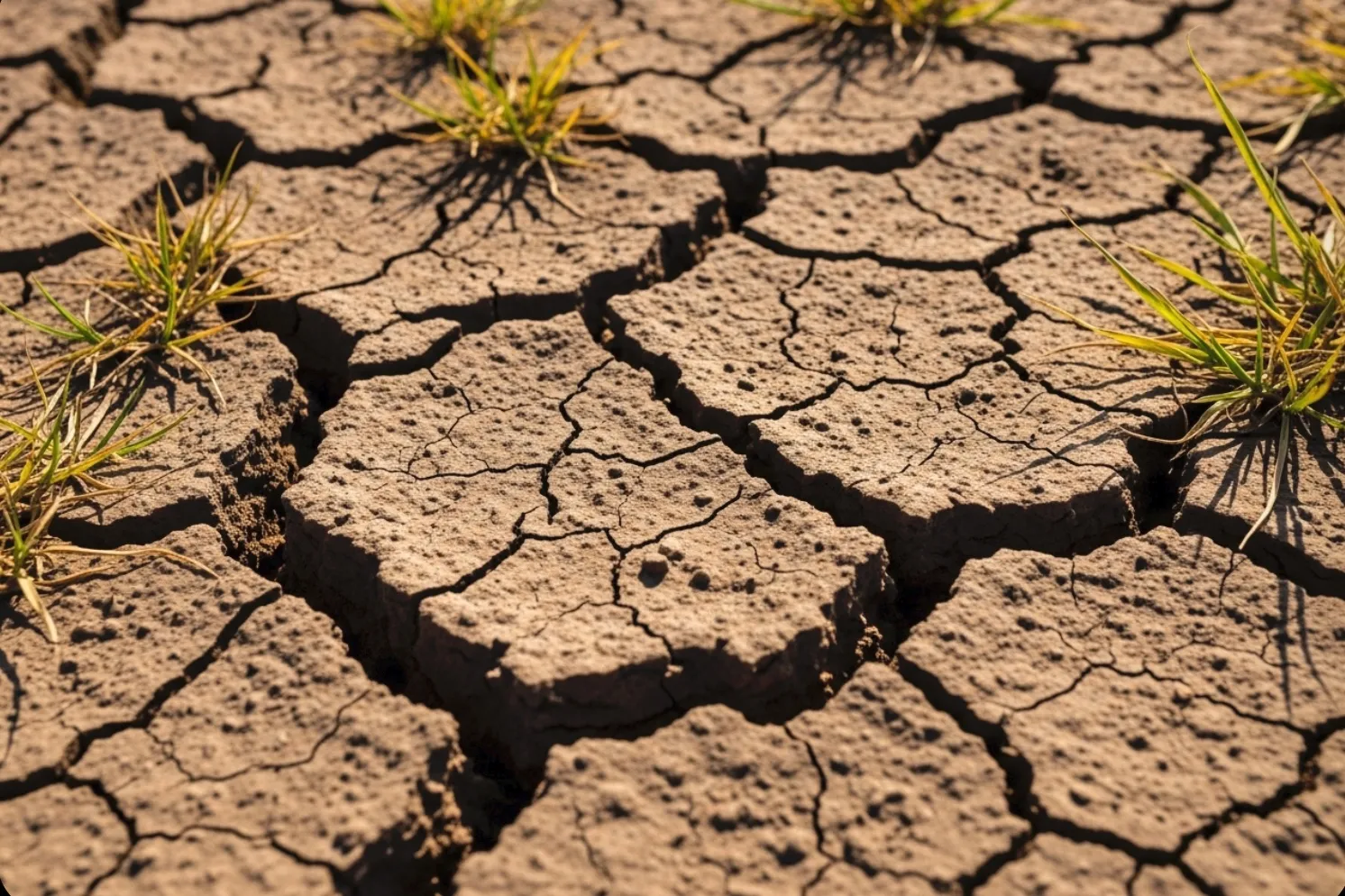
- The "Concrete" Phase: In the summer, clay dries out and cracks, becoming so hard that water simply runs off the surface.
- The "Sponge" Phase: In the winter and spring, it holds water so well that it can actually drown grass roots by cutting off their oxygen.
Clay Soil vs. Sandy Soil
FeatureClay Soil (Sherman)Sandy SoilNutrient RetentionHigh (but locked away)Low (washes away)DrainageVery SlowVery FastCompaction RiskExtremeMinimalRoot GrowthShallow & StuntedDeep & Easy
The 3 Pillars of Clay Soil Success
1. Deep & Infrequent Watering
Stop watering for 5–10 minutes every day. This only keeps the surface of the clay wet, which encourages shallow roots and weeds.
- The Goal: Water for long periods (30–45 mins per zone) just twice a week.
- The Result: This forces the water to soak deep into the clay. As the surface dries, the roots are forced to grow deeper to find moisture, making your lawn much more heat-resistant.
2. Mechanical Core Aeration
Because clay packs so tightly, it needs to be physically "opened up."
- The Process: A machine pulls small plugs of soil out of the ground.
- The Result: This allows oxygen, water, and fertilizer to bypass the hard surface and reach the root zone instantly. In Sherman, we recommend aerating at least once a year.
3. Organic Soil Conditioning
Adding liquid soil conditioners or top-dressing with organic matter helps "flocculate" the soil—meaning it helps those tiny clay particles clump together into larger grains, creating more space for air and water.
FAQ: Managing North Texas Clay
Does clay soil mean I have more weeds?
Yes. Weeds like Dandelions and Thistle have thick taproots designed to punch through hard clay. If your grass is thin because of compaction, these weeds will win the battle every time.
Can I add sand to my clay soil to fix it?
No! This is a common mistake. Adding sand to heavy clay can actually create a material similar to low-grade concrete. Instead, use organic compost or liquid soil conditioners.
Why does my lawn have big cracks in the summer?
As clay loses moisture, it shrinks. Large cracks are a sign that your soil is severely dehydrated. Deep watering and aeration are the only ways to heal these cracks and protect your grass roots.
Explore other Article
Discover other blogs related to the topic you read.


Ready To Make Your Lawn Look Brand New?
Contact us today to schedule a free estimate for your lawn care or call us to learn more about lawn care for your property