Liquid vs. Granular Fertilizer: What Works Best for Sherman Soil?
Liquid vs. Granular Fertilizer: What Works Best for Sherman Soil?
If you’ve tried to improve your lawn in Sherman, you’ve likely encountered conflicting advice about fertilizer.
Some say liquid fertilizer is the fastest way to green up your lawn.
Others swear granular fertilizer lasts longer and works better.
Store shelves are full of both, each claiming to be the best.
The truth? Neither type is automatically “better.” What works in Sherman depends on soil conditions, weather, timing, and how the product is applied.
Professional Lawn management ensures you get results without guesswork.
The Difference Between Liquid and Granular Fertilizer
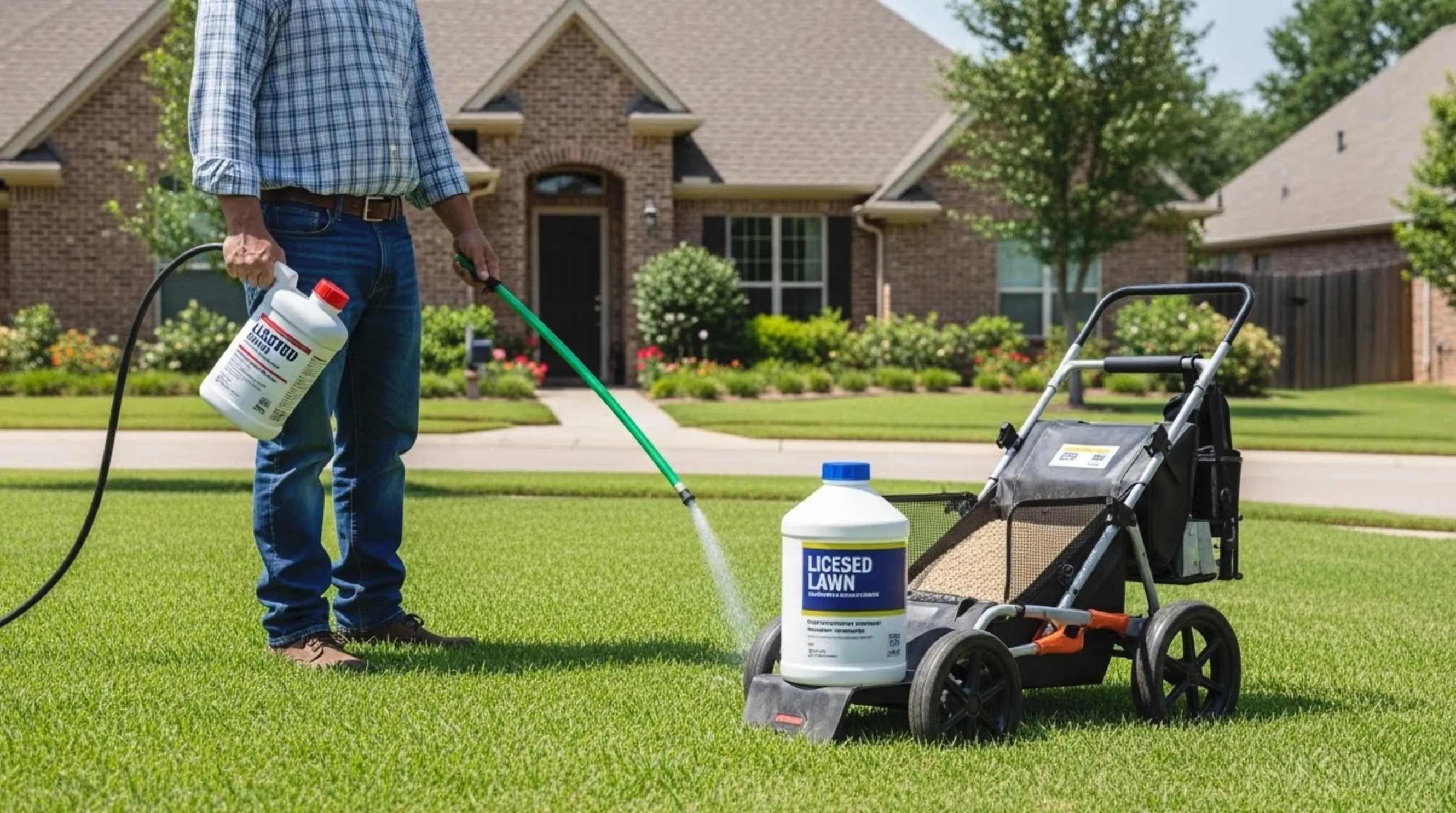
Liquid and granular fertilizers deliver nutrients differently, which affects speed and duration of results.
Liquid fertilizer:
- Applied as a spray with nutrients already dissolved
- Absorbed quickly by soil and grass
- Ideal for correcting deficiencies and producing fast visual improvements
Granular fertilizer:
- Applied as pellets that release nutrients slowly over time
- Requires proper watering and timing to work effectively
- Supports long-term feeding but acts slower than liquid
Both can be effective, but they behave very differently once applied. Professional Lawn management integrates both types strategically.
How Sherman Soil and Climate Affect Fertilizer Performance
Sherman’s soil and climate play a huge role in nutrient uptake:
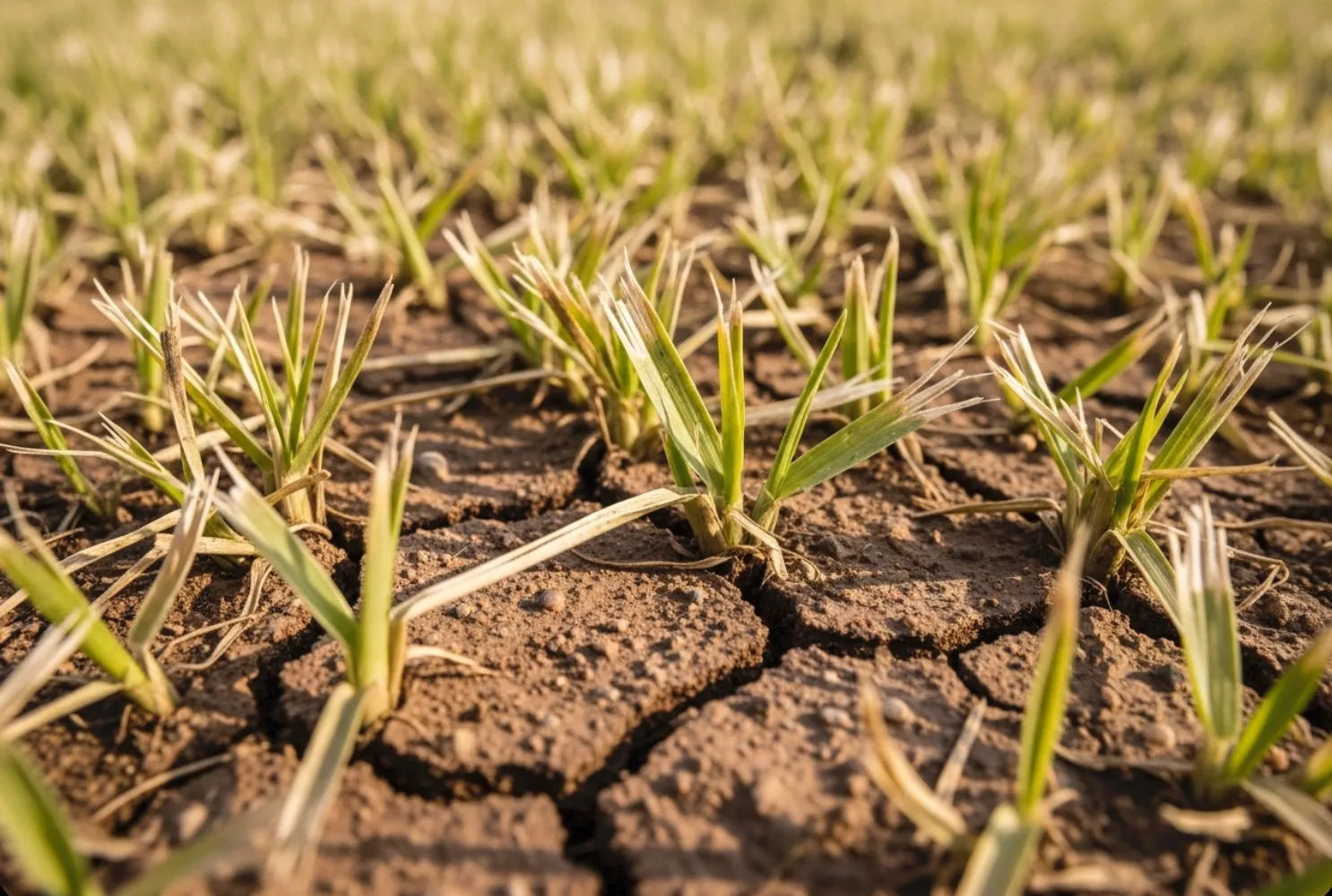
- Clay-heavy soil: Common in North Texas, clay compacts easily, restricting water and nutrient movement. This can lead to nutrient lockout, where fertilizer is present but grass can’t absorb it.
- Heat stress: Sherman summers are hot. High temperatures and rapid evaporation reduce effectiveness of improperly timed applications.
Local expertise is key. Generic advice doesn’t account for clay soil, heat cycles, and seasonal stress. Many homeowners rely on local professionals when DIY products fail.
Get started now for a fertilization plan designed specifically for your lawn.
Pros and Cons of Liquid Fertilizer
Advantages:
- Rapid nutrient absorption for fast results
- Precise application to correct deficiencies
- Useful for seasonal boosts or recovery
Limitations:
- Short-lived effects compared to granular fertilizer
- Sensitive to misapplication and timing
- Rarely sufficient as a standalone solution for long-term lawn health
Pros and Cons of Granular Fertilizer
Advantages:
- Slow-release supports longer-term nutrient delivery
- Steady growth and lasting results when applied properly
- Easy to find and widely used
Limitations:
- Relies heavily on correct timing and watering
- Uneven spreading can cause patchy results
- Slow visible results may lead to over-application
Alone, granular fertilizer rarely solves weed or thinning grass issues in Sherman. Integrated Lawn management is more effective.
Why Store-Bought Fertilizer Often Underperforms
Most retail fertilizers are generic:
- Designed for mass appeal, not local soil conditions
- Use limited-strength formulations that may not handle heavy weeds or deficiencies
- Sold year-round without adjusting for seasonal grass needs
Professional programs tailored to North Texas lawns outperform DIY solutions every time.
Get started now to skip trial-and-error.
What Professionals Actually Use
Professional lawn care isn’t an “either-or” choice between liquid and granular.
- Liquid fertilizer: Targeted feeding, quick response, and correction
- Granular fertilizer: Long-term support and stability
- Timing: Determines which type to use for best results
- Licensing: Professionals access higher-quality products safely and effectively
The result? Integrated treatments that tackle nutrition, weeds, and seasonal stress together as part of a complete Lawn management plan.
Cost-Effectiveness: DIY vs. Professional Fertilization
DIY costs:
- $60 per bag, often not enough
- Additional purchases if results fail
- Wasted time and effort
Professional value:
- Product + expertise + precise application
- Mistakes minimized, timing optimized
- Results compound over time
- Often less expensive long-term than repeated DIY attempts
Get started now to see how professional fertilization delivers value.
How NTX Turf Chooses the Right Fertilizer
North Texas Turf and Lighting approaches fertilization strategically:
- Evaluates lawn condition, season, and soil challenges
- Adjusts fertilizer choices throughout the year
- Combines liquid and granular as needed
- Focuses on results, not just selling products
This local, education-first approach ensures each Sherman lawn receives the care it needs for long-term health.
Frequently Asked Questions
- Is liquid fertilizer better than granular?
No—effectiveness depends on timing, soil, and application. - Can I use both on my lawn?
Yes. When sequenced correctly, they complement each other. - Why didn’t my fertilizer work last year?
Most failures come from poor timing, misapplication, or mismatched products. - Does fertilizer type matter as much as timing?
Timing usually matters more than type. Even the best product fails if applied incorrectly. - How do I know what my lawn needs?
A professional evaluation is the best first step.
Conclusion
There is no single “best” fertilizer for Sherman lawns. Liquid and granular fertilizers both have a place when used correctly.
What matters most:
- Understanding your soil
- Timing applications for the season
- Selecting products based on lawn condition
- Professional selection beats guessing every time
Get started now for a professional fertilization plan and expert Lawn management tailored to your Sherman lawn.
Explore other Article
Discover other blogs related to the topic you read.


Ready To Make Your Lawn Look Brand New?
Contact us today to schedule a free estimate for your lawn care or call us to learn more about lawn care for your property