
Texas Lawn Care: Essential Weed Control and Fertilization Tips
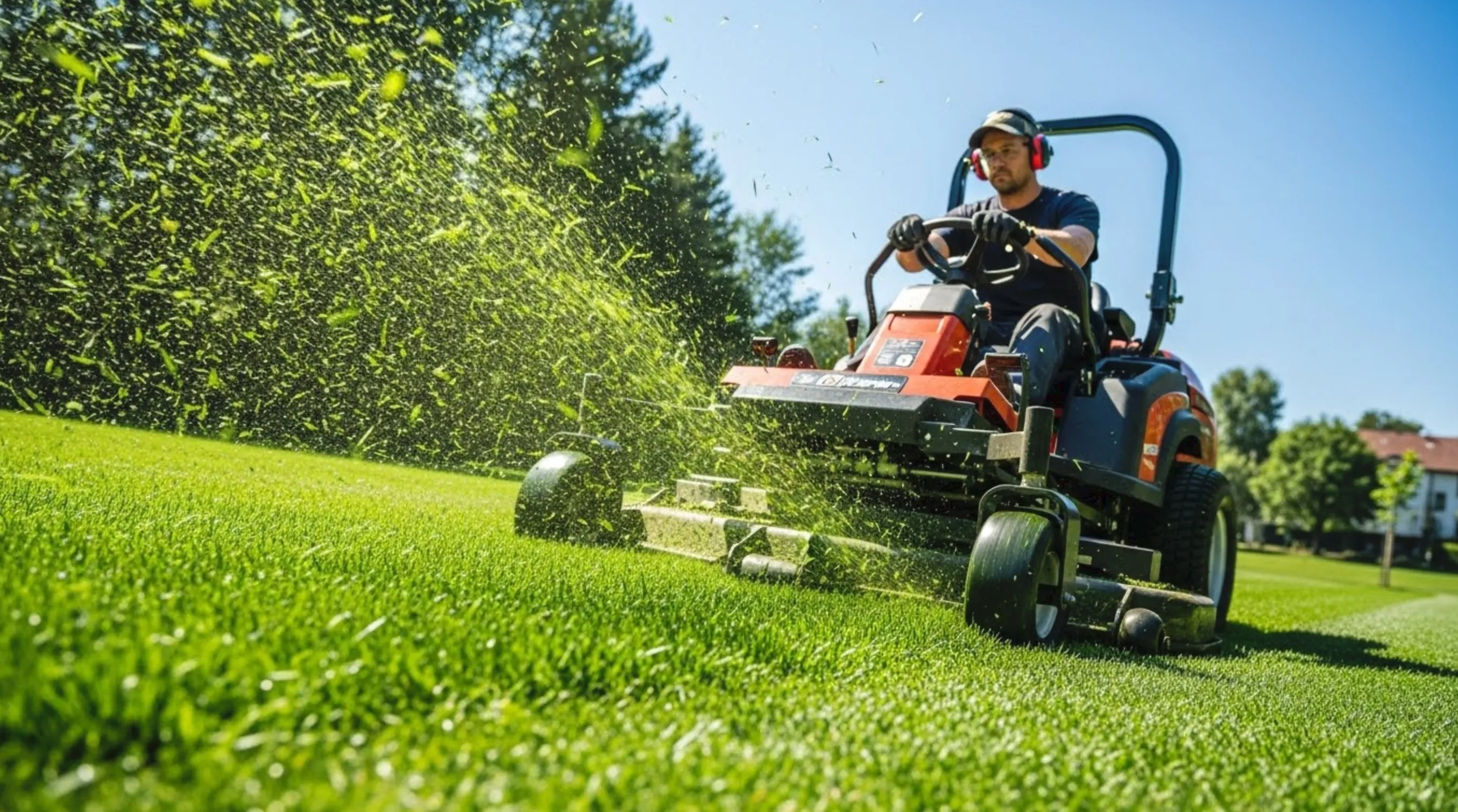
Keeping a beautiful lawn in Texas isn’t always easy. With hot summers, clay-heavy soil, and unpredictable rainfall, it takes more than just mowing and watering. Two essential factors can make or break your turf: weed control and fertilization.
In this guide, we’ll cover everything from seasonal care to common pests, aeration tips, and how to create a lush, green lawn that thrives in Texas heat. Whether you’re a first-time homeowner or a seasoned lawn enthusiast, this guide is packed with practical advice.
Why Weed Control and Fertilization Are Vital for Texas Lawns
Texas lawns face unique challenges that make weed control and fertilization critical:
- Soil quality varies – Many yards have clay-heavy soil that blocks nutrients.
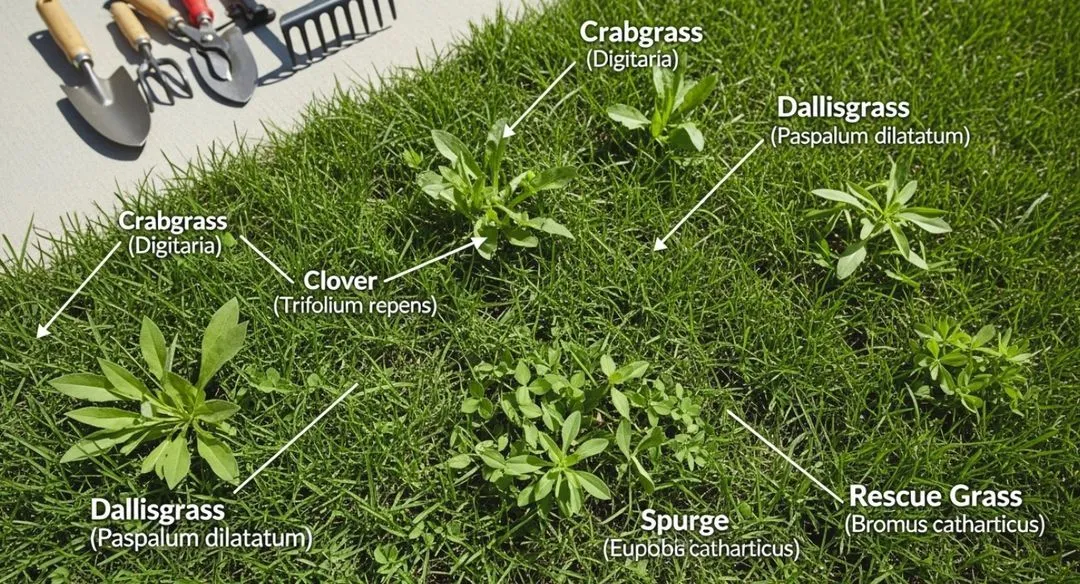
- Weeds compete for resources – Crabgrass, nutsedge, and other invaders steal water and nutrients from your grass.
- Extreme weather stress – Hot summers and dry spells weaken turf.
- Pest prevention – A strong, fertilized lawn naturally resists pests like chinch bugs and grubs.
Think of weed control and fertilization as the foundation. Without them, even the best watering and mowing routines won’t save your lawn.
Spring Lawn Care: Starting Strong
Spring is the perfect time to prepare your lawn for the year:
🌱 Pre-Emergent Weed Control
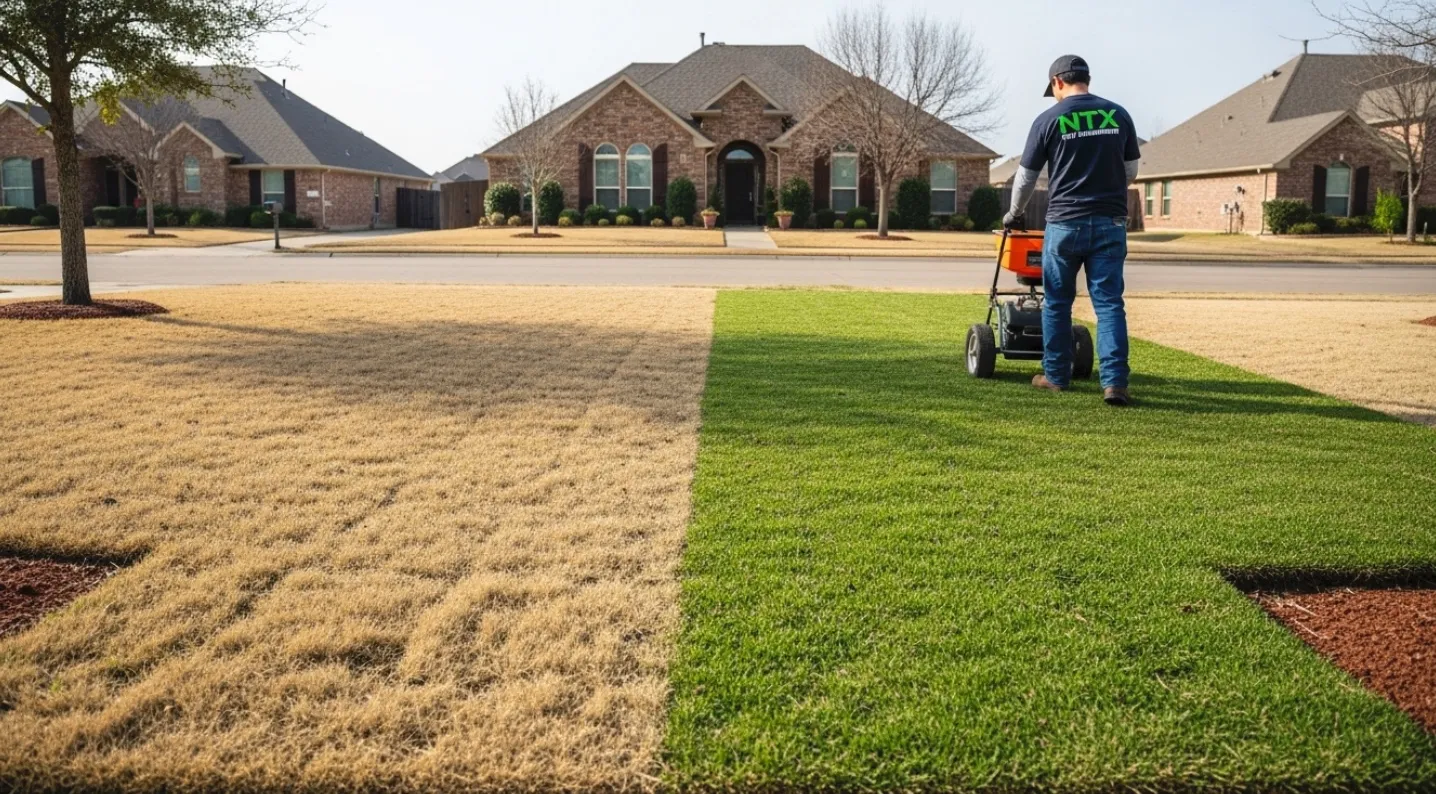
Apply pre-emergent herbicides in late February or early March to stop crabgrass and other weeds before they sprout.
🌱 Fertilization for Growth
Use a slow-release fertilizer to help grass green up evenly. Focus on nitrogen-rich options suited for Bermuda, St. Augustine, or Zoysia grasses.
🌱 Pest Prevention
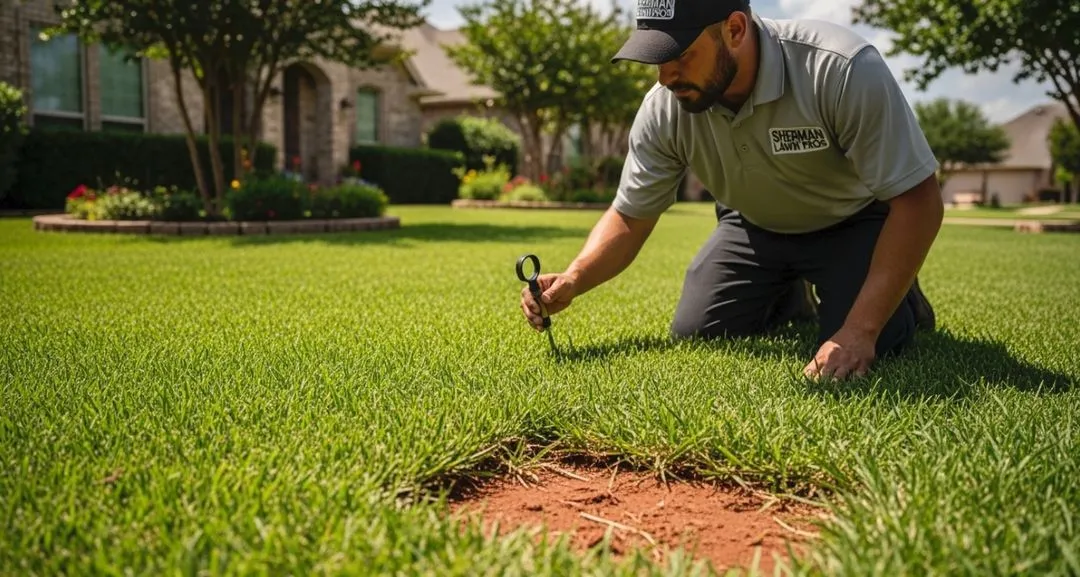
Check for early signs of grubs or armyworms. Healthy, fertilized grass is better equipped to resist infestations.
Summer Lawn Care: Protecting Your Turf
Summer in Texas can be brutal. Focus on weed control and fertilization to help your lawn survive high heat and drought.
- Spot-treat weeds with post-emergent herbicides.
- Fertilize lightly using warm-season formulas to avoid burning the grass.
- Water deeply in the early morning to conserve moisture and help nutrients absorb.
- Watch for pests like chinch bugs and armyworms, which attack stressed turf.
Fall Lawn Care: Strengthen and Prepare
Fall is the season to repair and strengthen your lawn:
- Aerate the soil to reduce compaction and allow better nutrient absorption. Learn more about aeration.
- Fertilize for root growth, especially slow-release blends that support your lawn over winter.
- Control weeds like henbit and poa annua before they spread.
- Overseed thin areas for a thick, resilient lawn next spring.
Winter Lawn Care: Maintenance and Planning
Even dormant lawns need attention:
- Spot-treat winter weeds with safe herbicides.
- Light feeding of cool-season grasses can help them stay green.
- Plan for spring treatments to start the year with strong weed control and fertilization.
Common Lawn Pests in Texas
Healthy, fertilized lawns are naturally resistant to pests, but Texas lawns still face threats:
- Grubs – Eat roots and leave brown patches.
- Armyworms – Rapidly consume grass blades.
- Chinch bugs – Thrive in hot, dry conditions.
- Sod webworms – Active in late spring and summer.
Regular fertilization keeps turf thick, preventing pests from taking hold. Proper weed control reduces hiding spots for insects.
Check out Identifying and Managing Common Lawn Pests for detailed solutions.
Fertilization Best Practices for Texas Lawns
Fertilization is more than sprinkling food on your grass:
- Know your grass type – Bermuda, St. Augustine, Zoysia, or Tall Fescue.
- Follow seasonal schedules – Fertilize warm-season grasses from late spring to early fall.
- Avoid over-fertilizing – Can burn grass and encourage weeds.
- Test your soil – Adjust nutrients like nitrogen, phosphorus, and potassium as needed.
For more on creating healthy turf, check Top Lawn Care Tips for a Healthy Turf.
How Weed Control and Fertilization Work Together
Weed control and fertilization are a team:
- Weed control prevents unwanted plants from stealing nutrients.
- Fertilization strengthens turf, making it harder for weeds to establish.
- Combined, they promote dense, green, healthy lawns year-round.
When to Hire a Professional
Consider expert help if:
- Weeds keep returning
- Lawn has patchy or thin areas
- Soil is compacted
- Summer heat consistently damages turf
Professional turf management ensures proper weed control and fertilization, aeration, and pest prevention. Learn more here: Transform Your Lawn with Expert Turf Management.
Key Takeaways
- Weed control and fertilization are the foundation of a Texas lawn.
- Seasonal care matters: spring, summer, fall, and winter routines keep grass healthy.
- Healthy turf naturally resists pests and weeds.
- Aeration, proper watering, and mowing all support fertilization.
- Professionals can help if DIY methods aren’t enough.
Ready to Transform Your Texas Lawn?
Take action today:
📞 Call us at (972) 369 6768
📧 Email: michael@ntturf.com
Explore other Article
Discover other blogs related to the topic you read.
Ready To Make Your Lawn Look Brand New?
Contact us today to schedule a free estimate for your lawn care or call us to learn more about lawn care for your property