
The Complete Lawn Recovery & Repair Guide for Sherman, Texas Homeowners
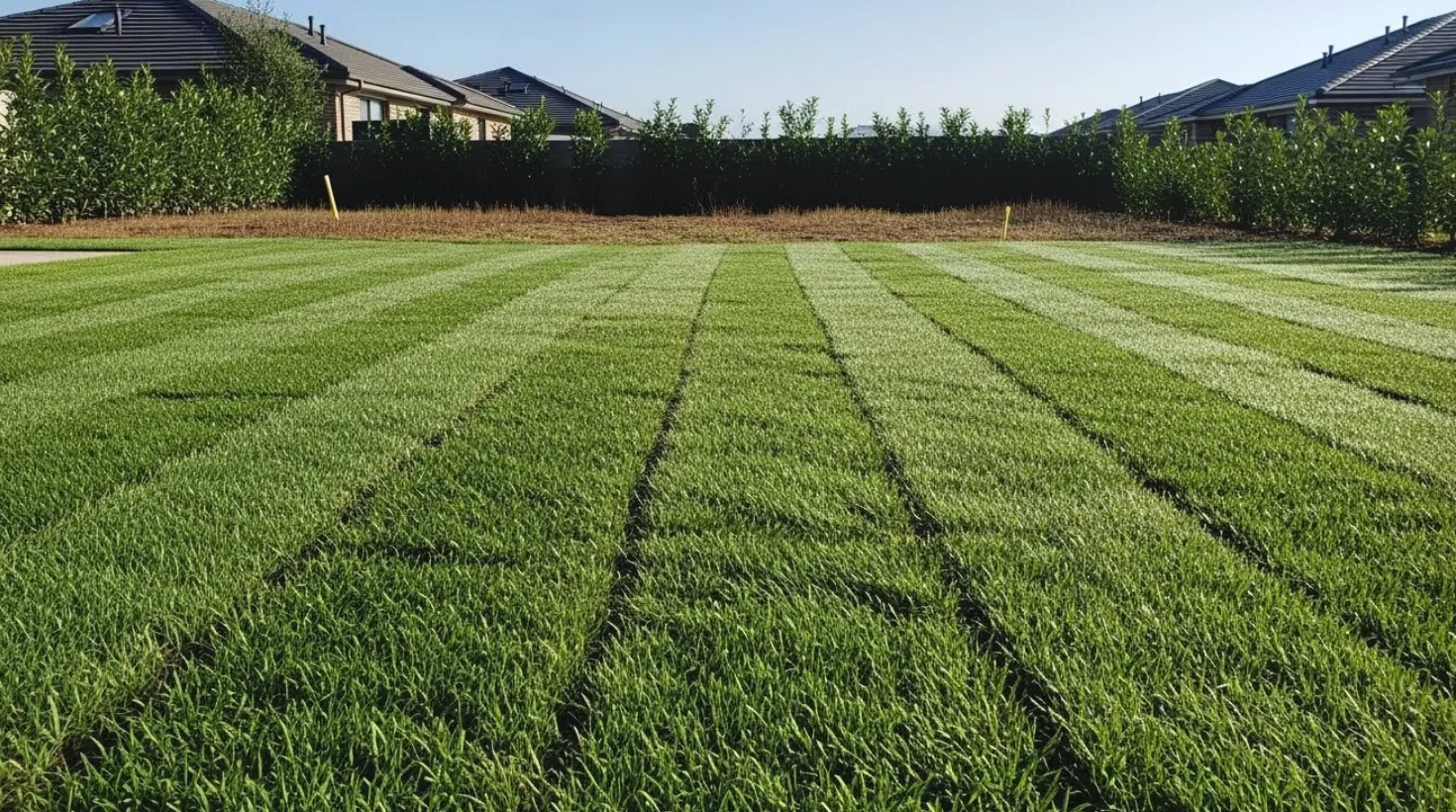
Lawn Recovery Guide: Restoring Damaged Lawns in Sherman, TX
If your lawn in Sherman looks thin, patchy, overrun with weeds, or never quite recovers no matter what you try—you’re not alone.
Most lawns don’t fail overnight. They decline gradually after years of routine mowing without a proper recovery plan.
Lawn recovery is different from standard lawn care. It focuses on:
- Repairing existing damage
- Correcting underlying soil and turf problems
- Rebuilding grass health so normal maintenance actually works
This guide will walk you through how lawn recovery works in North Texas, why lawns fail, and how to rebuild a healthy, resilient yard step by step.
👉 If your lawn feels stuck, get a free estimate today to start the recovery process:
https://www.ntturfmanagement.com/lawn-care-estimate
What Is Lawn Recovery & Why It Matters in Sherman
Lawn recovery is the process of restoring your lawn after its natural growth systems have broken down.
In Sherman, TX, this goes far beyond improving appearance—it addresses the core issues preventing your lawn from responding to care.
Common Homeowner Mistake
Many homeowners try to fix struggling lawns by:
- Adding more water
- Applying more fertilizer
- Using more weed killer
But in most cases, the lawn doesn’t need more input—it needs correction.
Why Lawn Recovery Is Especially Important in North Texas
North Texas lawns face a combination of challenges that accelerate decline:
- Aggressive weed pressure due to long growing seasons
- Compacted clay soil that limits oxygen and root growth
- Extreme summer heat that weakens turf
- Inconsistent care cycles instead of structured seasonal plans
Without proper recovery, lawns often feel “stuck”—no matter how much effort is applied.
Signs Your Lawn Needs Recovery (Not Just Maintenance)
If you’re seeing these issues, your lawn likely needs recovery—not routine care:
- Fertilizer doesn’t improve color or fades quickly
- Weeds keep returning despite treatments
- Thin or bare patches never fill in
- Uneven color even after watering
👉 These symptoms point to root-level and soil-level problems, not surface issues.
If you notice these signs, it’s best to start with a proper evaluation:
https://www.ntturfmanagement.com/lawn-care-estimate
What Lawn Recovery Actually Fixes
A proper recovery plan targets the foundation of your lawn.
Key Improvements:
- Root Development: Deeper roots improve water and nutrient uptake
- Soil Function: Better airflow, drainage, and nutrient balance
- Turf Density: Thicker grass reduces weed growth naturally
- Resilience: Improved tolerance to heat, drought, and stress
👉 Pro Tip: Sherman clay soil often looks fine on the surface but is heavily compacted below. Real recovery happens underground first.
Why Recovery Must Come Before Routine Lawn Care
Routine lawn care assumes your lawn is already capable of responding.
Without recovery:
- Fertilizer feeds weeds instead of grass
- Weed control becomes repetitive and costly
- Mowing exposes soil instead of thickening turf
Recovery resets your lawn so that future treatments actually produce results.
The History of Lawn Failure in North Texas
How Most Sherman Lawns Were Installed
- Topsoil is often stripped or compacted during construction
- Sod is installed quickly with minimal soil preparation
- Roots never fully establish
This creates a lawn that looks fine initially—but struggles long-term.
Why Traditional Maintenance Fails Over Time
- Repeated mowing compacts clay soil further
- Nutrients become imbalanced
- Roots remain shallow
- Open soil allows weeds to dominate
The “Spot-Treatment Cycle”
Many homeowners fall into this loop:
- Spray visible weeds
- Apply fertilizer for quick color
- Mow more frequently
👉 This treats symptoms—not structure.
Lawn recovery breaks this cycle.
The Shift Toward Recovery-Based Lawn Care
Modern lawn care focuses on solving the cause, not just the symptoms.
Instead of asking:
👉 “How do we kill these weeds?”
It asks:
👉 “Why are weeds thriving here in the first place?”
Recovery-Based Programs Combine:
- Integrated weed control and fertilization
- Soil correction (compaction and nutrient balance)
- Seasonal timing aligned with North Texas conditions
- Long-term turf strengthening
DIY vs Professional Lawn Recovery
DIY Lawn Recovery
Pros:
- Lower upfront cost
- Immediate access to products
Cons:
- Misdiagnosis of problems
- Incorrect timing
- Limited product effectiveness
- No true soil correction
- Higher long-term costs
Professional Lawn Recovery
Pros:
- Accurate diagnosis
- Access to professional-grade products
- Integrated soil + turf strategy
- Seasonal scheduling for best results
Cons:
- Requires patience
- Results develop over time
👉 If you want professional results without guesswork:
https://www.ntturfmanagement.com/lawn-care-estimate
How Lawn Recovery Actually Works (Step-by-Step)
A successful recovery plan follows a structured process.
Step 1: Diagnose the Real Problem
Identify whether damage is caused by:
- Weed pressure
- Soil compaction
- Nutrient deficiencies
- Improper watering
- Poor mowing habits
Step 2: Stop the Damage
- Apply proper weed control (pre- and post-emergent)
- Pause harmful or mistimed fertilization
- Adjust mowing height to reduce stress
Step 3: Rebuild Turf Strength
- Apply root-focused fertilization
- Improve turf density
- Correct watering habits
👉 Learn how fertilization supports recovery:
https://www.ntturfmanagement.com/post/north-texas-lawn-fertilization-guide
Step 4: Repair Patchy or Bare Areas
Bare soil is vulnerable—and weeds will fill it before grass does.
Recovery may include:
- Overseeding
- Soil conditioning
- Targeted repair strategies
How Long Lawn Recovery Takes (Realistic Expectations)
Lawn recovery is not instant—it’s a process.
- Initial improvement: 4–6 weeks
- Structural improvement: 1–2 growing seasons
- Long-term stability: 6–12 months
Consistency is the key to long-term success.
Tips for Successful Lawn Recovery in Sherman
- Follow soil temperature, not calendar dates
- Treat weeds and soil together
- Avoid “quick green-up” fertilizers
- Raise mowing height during recovery
- Expect gradual, steady improvement
👉 Proper watering is critical during recovery:
https://www.ntturfmanagement.com/post/north-texas-lawn-watering-guide-sherman-tx-homeowner-edition
Conclusion: How to Restore a Lawn That Feels “Stuck”
Lawn recovery in Sherman isn’t about working harder—it’s about fixing the right problems in the right order.
When you align:
- Weed control
- Soil health
- Fertilization
- Seasonal timing
Your lawn doesn’t just improve—it becomes easier to maintain long-term.
Get Your Lawn Back on Track (Next Step)
If your lawn feels stuck, recovery—not more mowing—is the missing step.
👉 Request your free lawn evaluation:
https://www.ntturfmanagement.com/lawn-care-estimate
A customized recovery plan can turn a struggling lawn into a healthy, consistent, and low-maintenance yard.
FAQ: Lawn Recovery in Sherman, TX
Q: How do I know if my lawn needs recovery or just maintenance?
A: If weeds keep returning or grass remains thin despite treatments, your lawn likely needs recovery.
Q: Is lawn recovery safe for pets?
A: Yes, when treatments are applied correctly and allowed to dry before use.
Q: Can rain affect lawn recovery treatments?
A: Yes. Heavy rain can reduce effectiveness, which is why timing and monitoring weather conditions is important.
Q: Is professional lawn recovery worth it?
A: In most cases, yes—especially for lawns with long-term damage or soil issues.
Q: What should I expect from the first recovery treatment?
A: A full evaluation, stabilization of current issues, and a step-by-step plan for long-term improvement.
Explore other Article
Discover other blogs related to the topic you read.
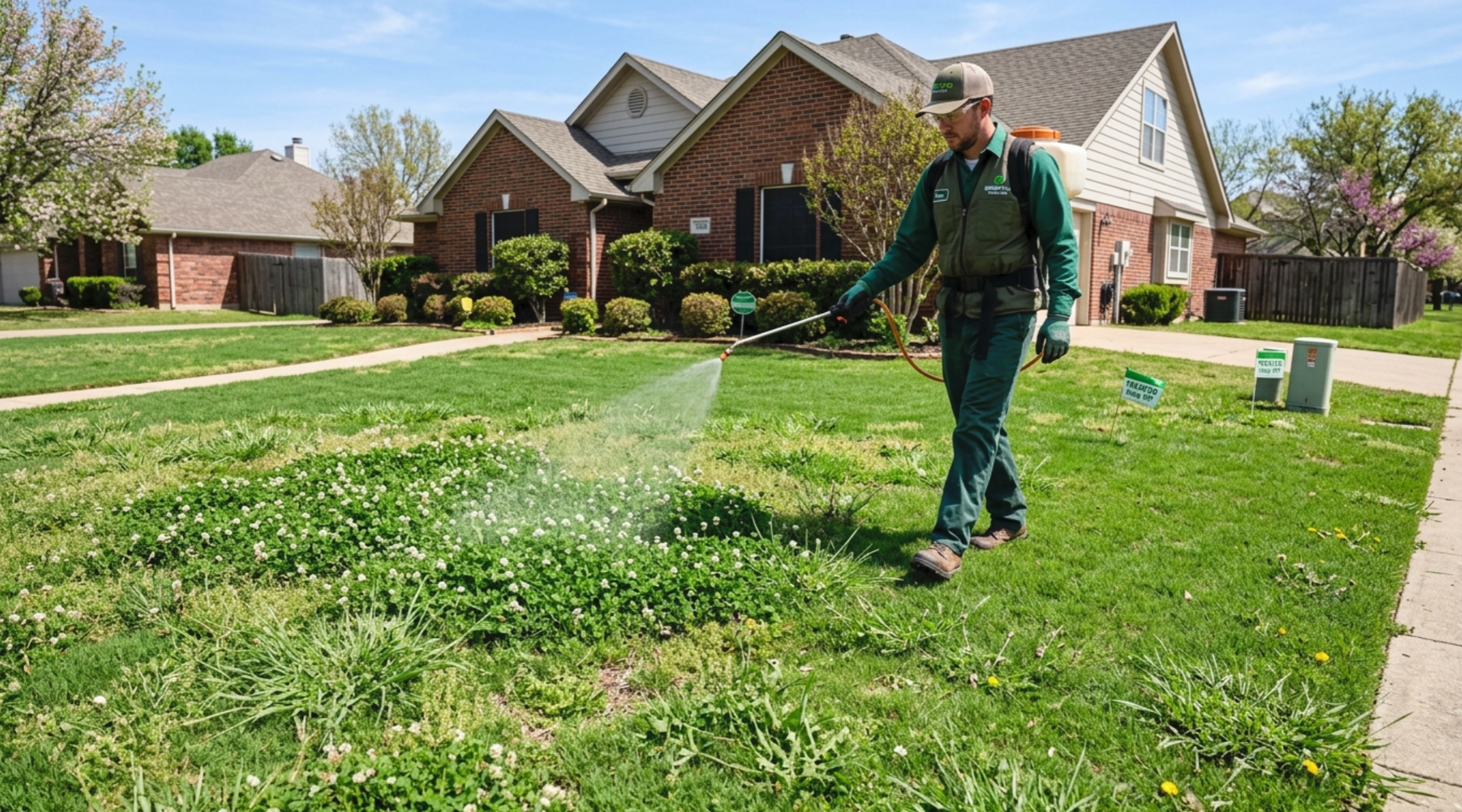


Ready To Make Your Lawn Look Brand New?
Contact us today to schedule a free estimate for your lawn care or call us to learn more about lawn care for your property