
Weed Control and Fertilization in Texas: The Complete Guide to a Healthier Lawn

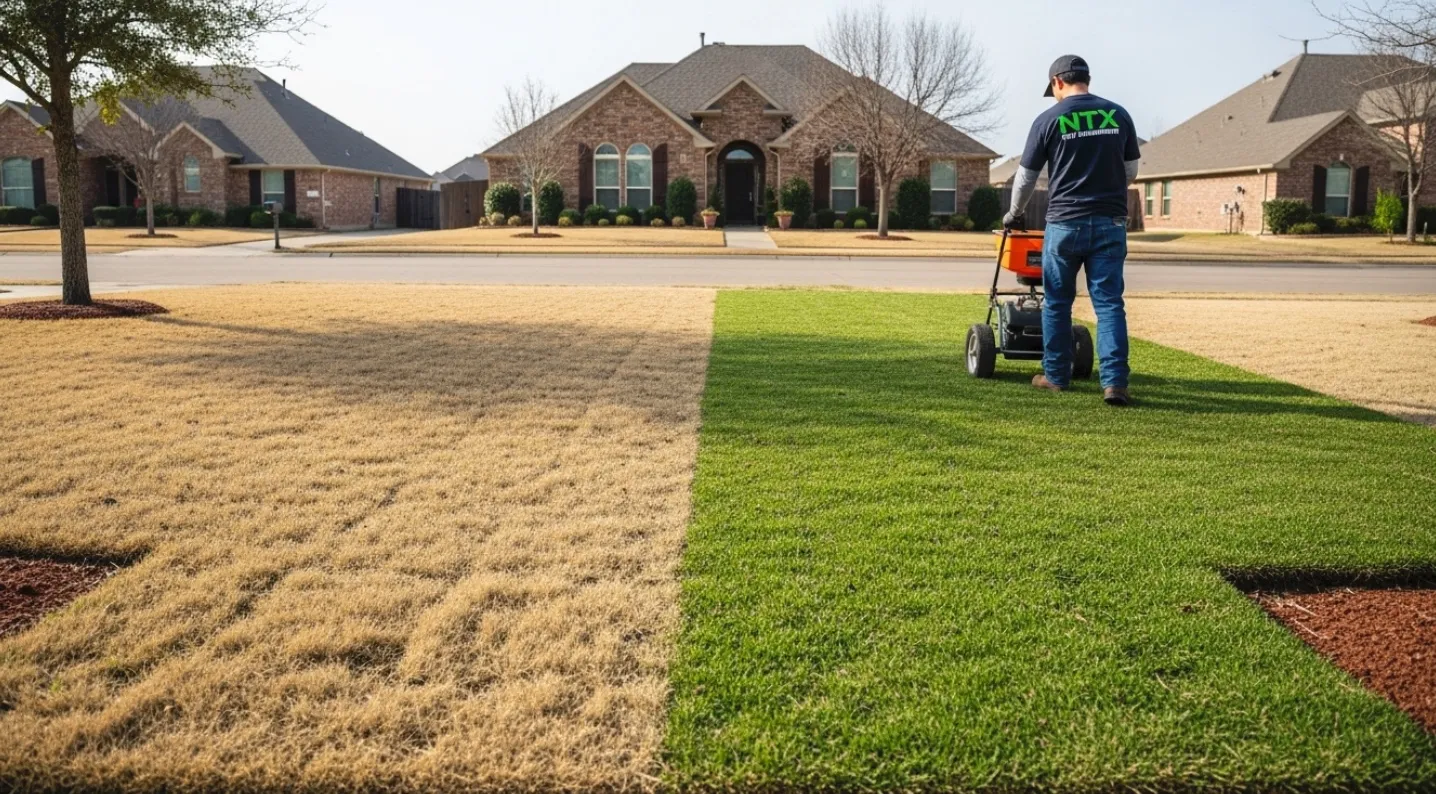
Each season in Texas impacts your lawn differently. Aligning weed control and fertilization with the right timing gives your turf the best chance to thrive.
Spring: Build the Foundation
Spring is the kickoff for your entire lawn care program.
🌱 Apply pre-emergent weed control
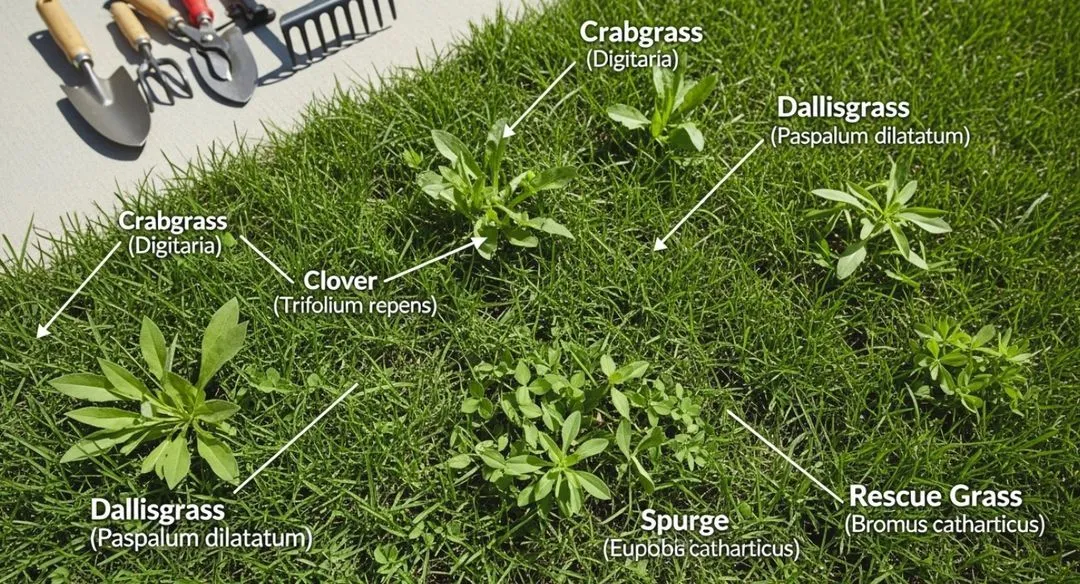
This stops weeds like crabgrass before they germinate. Timing matters—late February and early March are ideal for most regions of Texas.
🌱 Add slow-release fertilizer
Because temperatures warm gradually, slow-release formulas help grass green up steadily.
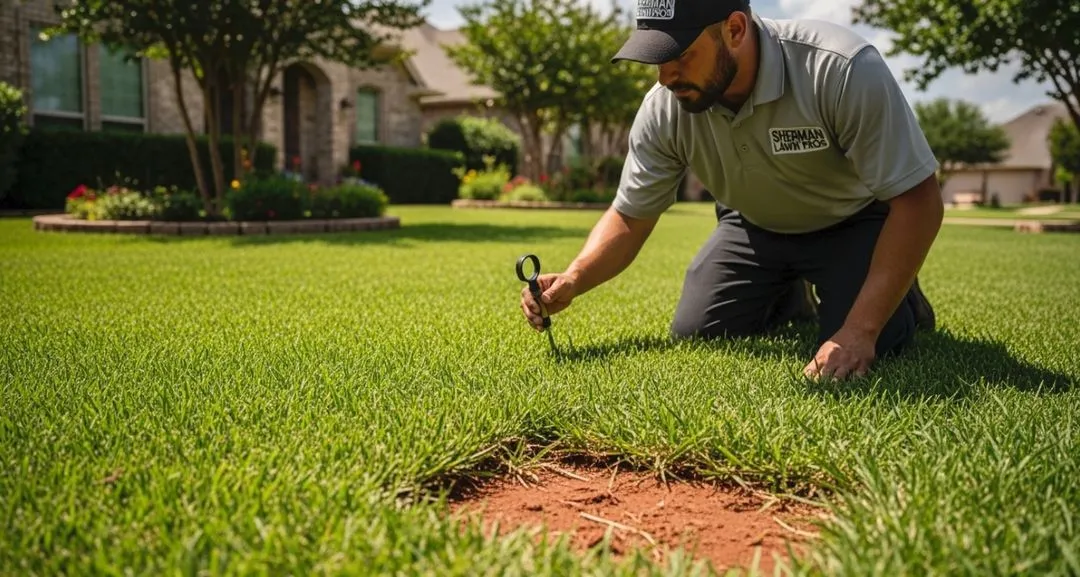
🌱 Check for early pests
Grubs and chinch bugs love spring moisture. Learn more here:
👉 Identifying and Managing Common Lawn Pests
🌱 Mow regularly
Never cut more than ⅓ of the blade at a time. Taller grass shades out weed seeds and keeps soil moist.
Summer: Defend Against Heat & Weeds
Texas summers are no joke. This is when weak lawns suffer the most.
☀ Continue targeted weed control
Spot-treat weeds with post-emergent solutions. This prevents growth without stressing the turf.
☀ Fertilize mid-summer
Choose a nitrogen-rich fertilizer suited for warm-season grasses like Bermuda, St. Augustine, or Zoysia.
☀ Water smart
Early morning watering helps roots absorb nutrients without evaporation.
☀ Watch for armyworms and chinch bugs
Pests spread fast in hot weather. Keeping your lawn fertilized and weed-free helps reduce infestations.
Fall: Strengthen and Restore
Fall is the “recovery season,” especially after Texas heatwaves.
🍂 Apply fall fertilizer
This strengthens the root system so your lawn survives winter.
🍂 Use selective weed control
Cooler temps bring weeds like henbit and poa annua. Treat them early.
🍂 Consider lawn aeration
This helps break up dry, compacted soil and improves nutrient absorption.
Learn more: 👉 The Benefits of Lawn Aeration
🍂 Overseed thin areas
Thick turf = fewer weeds next season.
Winter: Light Maintenance, Smart Planning
Texas winters are mild compared to many states, but weeds still grow.
❄ Spot-treat winter weeds
Use winter-safe post-emergent herbicides on early weeds.
❄ Apply winterizer fertilizer (optional)
Cool-season grasses benefit most from this. Warm-season grasses need lighter feeding.
❄ Prep for spring
Now is a great time to schedule future aeration, fertilization, and weed control services.
Common Texas Lawn Pests: Why Weed Control Helps Prevent Them
A strong lawn resists pests naturally. Weeds weaken turf, leaving it vulnerable.
Here are the most common Texas turf pests:
- Grubs – cause brown patches and root damage
- Armyworms – can destroy a lawn in 48 hours
- Chinch bugs – thrive in drought conditions
- Sod webworms – chew through grass blades
A good weed control and fertilization plan helps prevent infestations by:
- Keeping turf thick
- Boosting root strength
- Preventing over-watering caused by invasive weeds
- Supporting beneficial microbes
To learn more about these pests, check out:
👉 Identifying and Managing Common Lawn Pests
Fertilization Tips for Texas Lawns
Feeding your lawn correctly is just as important as controlling weeds.
✔ Know your grass type
Texas yards usually have:
- Bermuda
- St. Augustine
- Zoysia
- Tall fescue (North Texas)
✔ Use the right fertilizer at the right time
Warm-season grasses need nitrogen-rich feeding during their growth period (late spring to early fall).
✔ Don’t over-fertilize
This leads to burning, fungus, and rapid weed growth.
✔ Soil tests = better results
This tells you if you're missing nutrients like:
- Nitrogen
- Potassium
- Phosphorus
- Iron (common deficiency in Texas)
Helpful external resources:
- Texas A&M Agrilife Extension: https://agrilifeextension.tamu.edu
- EPA Lawn Watering Guidelines: https://www.epa.gov/watersense
- National Turfgrass Federation: https://turfgrass.org
How Weed Control and Fertilization Work Together
Think of them as a team working toward the same goal.
Weed control:
Stops unwanted plants from stealing water and nutrients.
Fertilization:
Strengthens turf so weeds have less room to grow.
Together:
They create the perfect condition for a thick, green, healthy lawn.
Without fertilization, weed control isn’t enough.
Without weed control, fertilization won’t work properly.
The magic is in combining both consistently throughout the year.
Professional Turf Management: When to Hire a Pro
Sometimes DIY works. Sometimes Texas lawns need expert support.
Consider hiring a pro if:
- Weeds come back no matter what you do
- Your lawn has patches or thinning areas
- Soil feels compacted
- Summer heat always kills your grass
- Pests return every season
- You want predictable, long-term results
If you're curious about expert services, you can read more here:
👉 Transform Your Lawn with Expert Turf Management
Key Takeaways
Here’s a quick summary to keep things simple:
- Weed control and fertilization are the foundation of a healthy Texas lawn.
- Apply pre-emergent weed control in spring to stop weeds early.
- Fertilize 3–4 times a year, depending on your grass type.
- Seasonal care is essential—Texas heat requires special attention.
- Healthy turf naturally resists weeds, pests, and heat stress.
- Aeration, pest control, watering, and mowing all support the process.
- Hiring a professional helps if weeds and pests keep coming back.
Ready for a Healthier Texas Lawn?
If you're tired of weeds, brown spots, or turf that can’t handle Texas weather, let us help you build a lawn you’ll love coming home to.
📞 Contact us today at (972) 369 6768
📧 Email: michael@ntturf.com
Whether you need weed control and fertilization, turf management, or a full year-round program, we’re here to make your lawn look its absolute best.
Explore other Article
Discover other blogs related to the topic you read.
Ready To Make Your Lawn Look Brand New?
Contact us today to schedule a free estimate for your lawn care or call us to learn more about lawn care for your property