
The Complete North Texas Seasonal Lawn Care Guide for Sherman Homeowners

The Ultimate Guide to Seasonal Lawn Care in Sherman, TX
Lawn care in Sherman, Texas isn’t failing because homeowners don’t care—it fails because North Texas lawns don’t respond to one-size-fits-all advice. The region’s clay-heavy soil, unpredictable weather, and long weed-growing season mean your lawn needs different care in every season.
Mowing alone won’t fix thin grass, weeds, or color issues, and random treatments often make things worse. This guide breaks down seasonal lawn care in North Texas, showing what your lawn actually needs throughout the year, why timing matters more than products, and how weed control, fertilization, watering, and mowing all work together.
If you’ve ever wondered why your lawn looks worse after "doing everything right," this guide is built for you. If you are ready to stop guessing, get a free estimate for a plan tailored to your specific lawn.
What Is Seasonal Lawn Care & Why It Matters in North Texas
Seasonal lawn care is the strategy of adjusting what you apply, when you apply it, and what you expect from your lawn based on how grass and weeds behave throughout the year. In Sherman and across North Texas, this approach isn’t optional—it’s foundational. Lawns here don’t follow the same rules as cooler, northern climates, and treating them as if they do is one of the most common reasons homeowners struggle.
Why North Texas Lawns Are Different
- Active weeds nearly year-round: Winter weeds emerge in fall, summer weeds germinate in spring, and some never fully stop growing.
- Warm-season grass dormancy without death: Bermuda and St. Augustine go dormant in cooler months but remain alive underground.
- Clay-heavy soil: Compacted clay drains poorly, restricts root growth, and magnifies mistakes in watering and fertilization.
- Unpredictable weather swings: Late freezes, early heat spikes, and sudden rain events can disrupt treatment timing.
Lawn care in North Texas is less about reacting to problems and more about anticipating them.
How Seasonal Lawn Care Actually Works
Seasonal lawn care aligns treatments with biological triggers rather than calendar dates:
- Spring: Prevent summer weeds and wake turf safely.
- Summer: Manage stress, post-emergent control, and protect turf from heat.
- Fall: Strengthen roots and prevent winter weeds.
- Winter: Monitor, avoid unnecessary treatments, and plan for spring.
A product effective in one season can be harmful in another. Applying high-nitrogen fertilizer too early in spring can encourage weeds, while skipping fall pre-emergent guarantees winter weed outbreaks.
Common Mistakes Seasonal Planning Prevents
Without a seasonal approach, homeowners often experience:
- Repeated weed breakouts despite treatment.
- Fertilizer burn or weak turf response.
- Patchy lawns that never fully fill in.
- Wasted money on products that were mistimed.
Pro Tip (Sherman-specific): Soil temperature—not air temperature—should guide many lawn care decisions. In Sherman, soil can remain cool even after warm days, delaying weed germination and grass growth.
History & Evolution of Lawn Care in North Texas
Traditional lawn care advice was built around cooler climates with loamy soil and predictable seasons. As North Texas neighborhoods expanded, lawns were installed without soil correction, irrigation planning, or weed prevention strategies.
Modern programs now emphasize:
- Preventative weed control instead of reactive spraying.
- Soil-based fertilization instead of blanket feeding.
- Multi-treatment programs instead of one-time fixes.
Pros & Cons of Seasonal Lawn Care Programs
Pros:
- Align treatments with weed life cycles.
- Prevent weeds before they emerge.
- Improve turf density over time.
- Reduce long-term costs and failures.
Cons:
- Results take patience.
- Skipping seasons resets progress.
How Seasonal Lawn Care Works (Year-by-Year Breakdown)
Spring Lawn Care (February–April)
Primary focus areas:
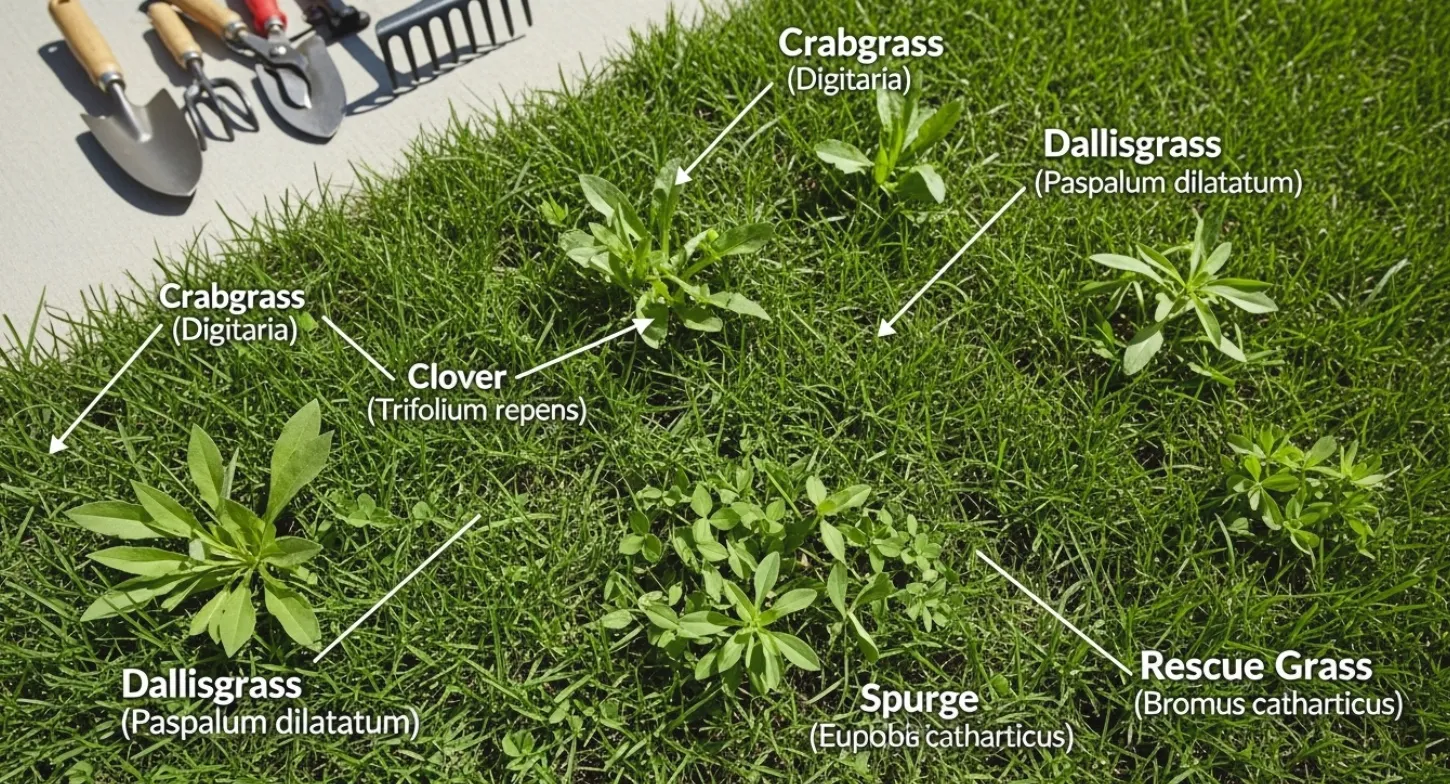
- Pre-emergent weed control: Prevent summer weeds like crabgrass before germination.
- Early fertilization: Light nutrients to wake grass gradually.
- Soil preparation: Address compaction, nutrient imbalance, and winter stress.
Common Mistakes: Waiting until weeds are visible, applying heavy fertilizer too early, or treating weeds without strengthening turf.
Summer Lawn Care (May–August)
Primary focus areas:
- Post-emergent weed control: Treat weeds that escaped spring prevention.
- Heat-stress fertilization: Support turf without overstimulating growth.
- Proper mowing height: Taller grass shades soil.
- Deep, infrequent watering: Encourages deeper roots and reduces surface weed germination.
Common Mistakes: Mowing too short, daily shallow watering, or over-fertilizing for color.
Fall Lawn Care (September–November)
Focus: Preparation, not growth.
- Fall pre-emergent: Stop winter weeds like rescue grass and henbit before germination.
- Root-strengthening fertilization: Encourage deeper roots for spring recovery.
- Repair thin or patchy areas: Correct damage before winter dormancy.
Common Mistakes: Applying leftover spring fertilizer, fertilizing too late, or chasing green color over root strength.
Winter Lawn Care (December–January)
Focus: Monitoring, planning, and avoiding unnecessary treatments.
- Track winter weeds.
- Avoid fertilizing dormant turf.
- Plan spring treatments in advance.
Common Lawn Problems & What They Mean
- Weeds keep coming back: Missed pre-emergent or weak turf.
- Thin or patchy grass: Soil compaction or poor fertilization.
- Slow results: Seasonal programs build momentum over time.
Weed Control & Fertilization Must Work TogetherWeed control without fertilization creates empty soil. Fertilization without weed control feeds weeds. North Texas lawns require both, applied at the right time.
Tips for Seasonal Lawn Care Success in Sherman
- Follow soil temperature, not calendar dates.
- Mow higher during summer heat.
- Water deeply, not daily.
- Expect progress over seasons.
- Avoid store-bought "quick fixes."
Lawn Care Costs, Expectations & Hiring Help
Costs vary by lawn size, weed pressure, and goals. Professional seasonal programs often save money over repeated DIY attempts.
Choosing a Lawn Care Company in ShermanLook for providers who:
- Educate and plan seasonally.
- Prevent problems rather than react.
- Adjust treatments to weather and soil.
If you are looking for a trusted local partner, contact us to discuss your lawn’s specific needs.
Conclusion & Call to Action
North Texas lawns don’t fail because homeowners aren’t trying—they fail because lawn care isn’t seasonal. When weed control, fertilization, mowing, and watering align with the calendar and climate, results become predictable and sustainable.
If you’re ready to stop guessing and start seeing progress, a seasonal lawn care program designed for Sherman’s soil and weather is the difference-maker.
Get a free estimate today and start your journey toward a healthier lawn.
FAQ Section
Q: How many treatments does a North Texas lawn need per year?A: Typically 6–8 strategically timed treatments.
Q: Can rain wash away fertilizer?A: Heavy rain can reduce effectiveness depending on timing, but light rain often helps activate treatments.
Q: Is professional lawn care worth it?A: Yes—especially for long-term results in Sherman where soil conditions are difficult.
Q: Is lawn care important before selling a home?A: Absolutely; healthy lawns improve curb appeal and property value.
Q: Is weed control safe for pets?A: Yes, when applied correctly and allowed to dry.
Explore other Article
Discover other blogs related to the topic you read.
Ready To Make Your Lawn Look Brand New?
Contact us today to schedule a free estimate for your lawn care or call us to learn more about lawn care for your property