
Weed Control & Fertilization in Sherman, TX: The Ultimate Homeowner Guide
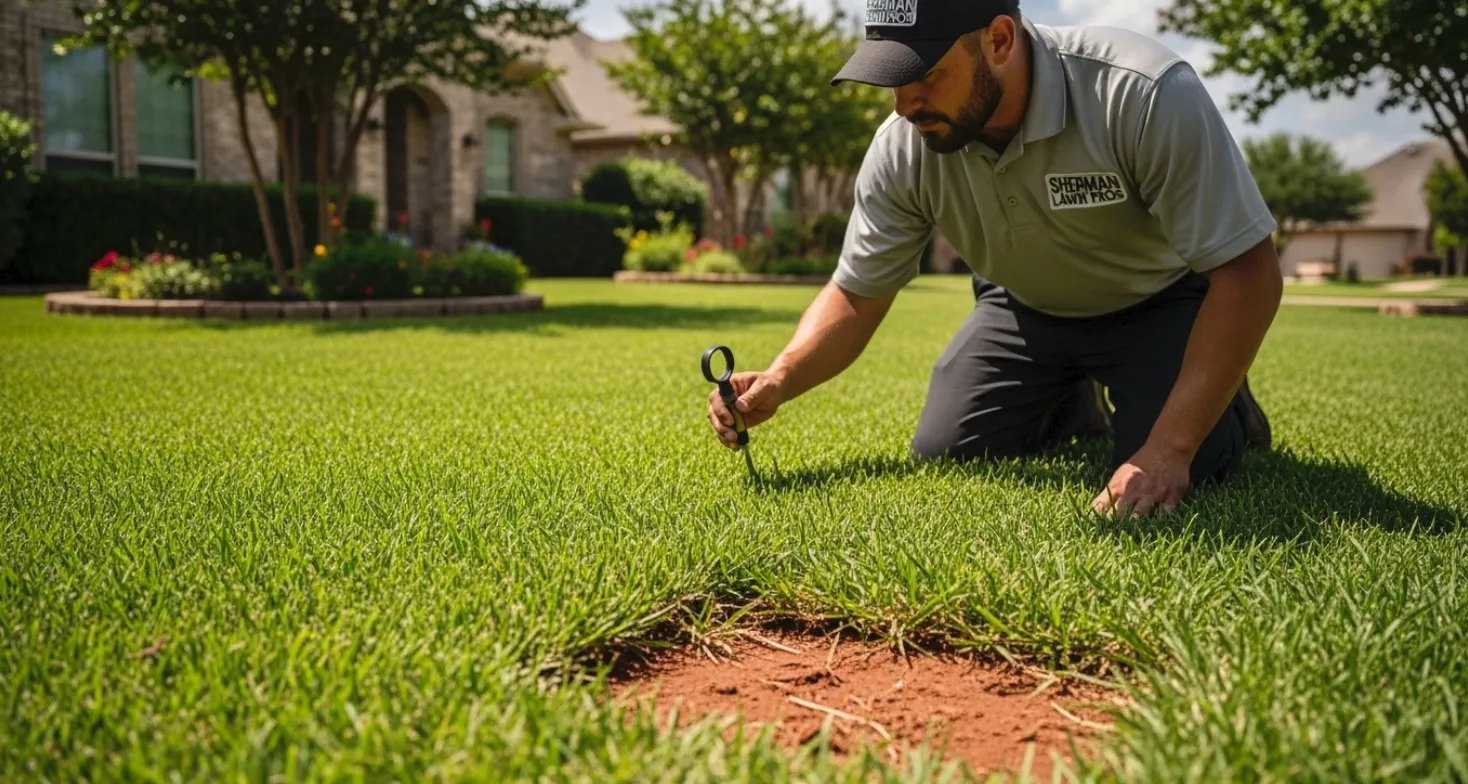
Searching for weed control and fertilization in Sherman usually means one of three things: weeds are taking over despite mowing, your grass looks thin or discolored no matter how much you water, or you’re tired of guessing which products actually work in North Texas.
Sherman lawns face unique challenges—heavy clay soil, aggressive weeds, extreme summer heat, and unpredictable rainfall—that make generic advice unreliable. This guide explains how professional lawn management solves these problems through structure, timing, and soil-aware treatments.
If you’re already tired of trial and error, you can get started now with a localized evaluation built for Sherman conditions.
What Is Weed Control & Fertilization — and Why It Matters
Weed control and fertilization are not separate services; they are two sides of the same system. Weed control manages what you don’t want growing, while fertilization strengthens what you want to keep. In Sherman, treating one without the other almost always leads to frustration.
Effective lawn management focuses on:
- Preventing weeds before they germinate.
- Eliminating active weeds without harming turf.
- Feeding grass at the right times for density and root strength.
- Correcting soil conditions that allow weeds to thrive.
Without balanced lawn management, fertilization often feeds weeds, and weed control leaves thin grass behind. Sustainable results require both working together. If you want a system instead of scattered treatments, get started now with a professional plan.
What Weed Control & Fertilization Actually Includes (Beyond Spraying)
Many homeowners assume weed control means spraying and fertilization means greening things up. True lawn management is far more structured.
A complete program includes:
Fertilization
Supplying nutrients at specific times to promote deep roots—not weak top growth.
Pre-Emergent Weed Control
Stopping weed seeds before they sprout is critical in North Texas.
Post-Emergent Weed Control
Targeted treatment based on weed type, turf tolerance, and weather conditions.
Soil Conditioning
Improving clay soil so nutrients and water reach roots effectively.
Seasonal Timing
Applications are guided by soil temperature—not calendar dates. This level of precision is why professional lawn management outperforms DIY efforts. If timing has been your struggle, contact us to set up expert scheduling.
Why Weed Control & Fertilization Are Especially Important in Sherman
Clay-Heavy Soil Changes Everything
Sherman lawns sit on dense clay soil that restricts root growth and causes runoff instead of absorption. Without soil-aware lawn management, adding more fertilizer only wastes money and worsens weeds.
Aggressive Weed Pressure Exploits Weak Lawns
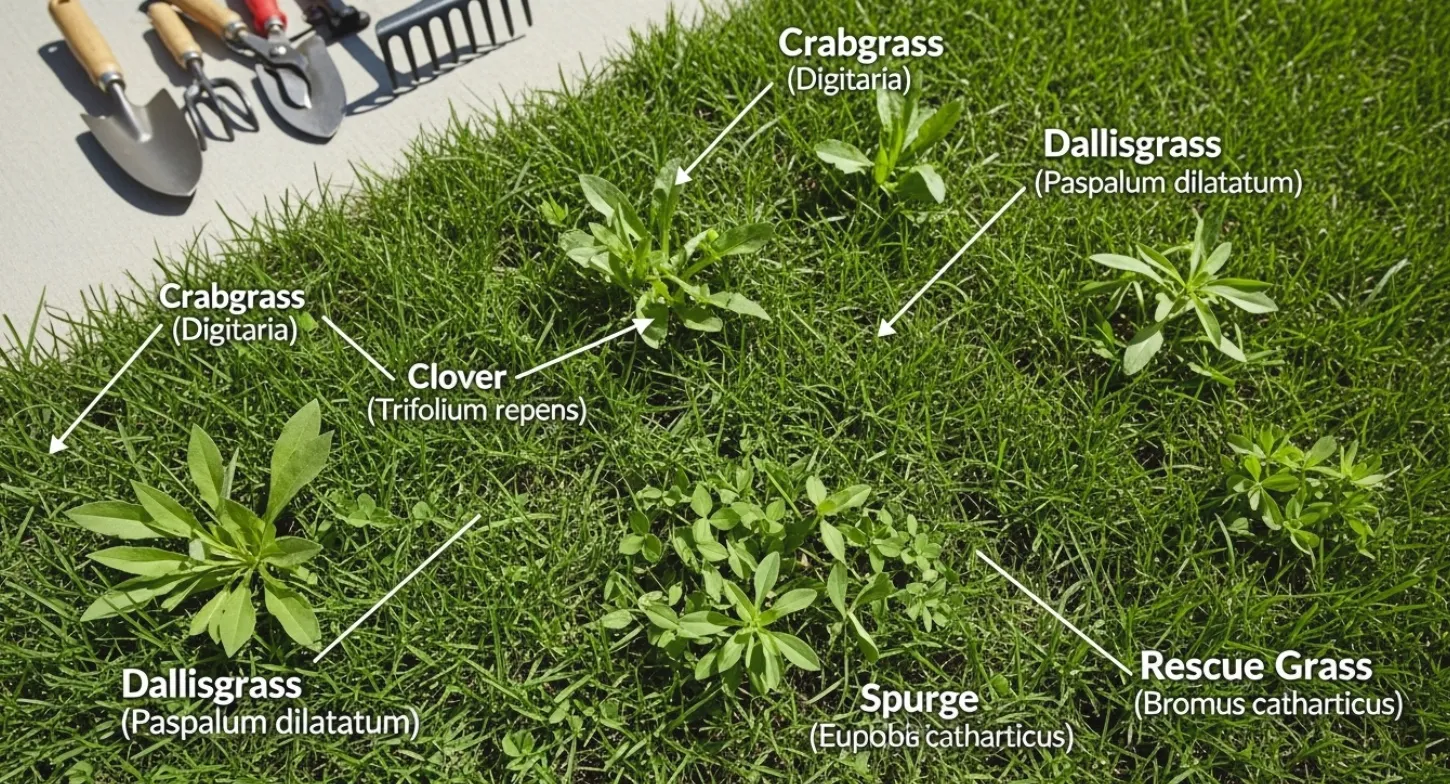
Crabgrass, dallisgrass, and broadleaf weeds thrive where turf is thin. These weeds spread through seeds and underground structures, making surface treatments ineffective. Healthy lawn management focuses on turf density so weeds have nowhere to establish. If weeds keep returning, get started now before the problem compounds.
Extreme Weather Swings Disrupt Lawn Stability
Heat spikes, drought, and heavy rain stress turf and disrupt nutrient uptake. Without adaptive lawn management, lawns enter a cycle of thinning grass and weed invasion. This is why structured, region-specific programs matter in Sherman.
How a Structured Weed Control & Fertilization Program Works
Step 1: Early-Season Weed Prevention
Pre-emergents form a soil barrier that stops weeds before they sprout. Missing this step forces reactive weed control all season. Professional lawn management prevents problems instead of chasing them.
Step 2: Seasonal Fertilization
Proper fertilization matches nutrients to growth stages, avoids excess nitrogen during heat, and strengthens roots rather than just boosting color. In clay soil, poorly timed fertilization feeds weeds. Structured lawn management avoids this entirely.
Step 3: Mid-Season Adjustments
Rainfall and heat require ongoing changes. Programs that don’t adjust stall quickly. This flexibility is a core advantage of professional lawn management.
Step 4: Targeted Post-Emergent Control
Weeds are treated based on species and conditions—not blanket spraying. Repeated spraying often signals soil or density issues, not weak products.
Step 5: Late-Season Root Strengthening
Late-season treatments prepare lawns for next year. This is why results improve annually instead of resetting.
Pro Tips for Sherman Homeowners
- More fertilizer ≠ faster results.
- Persistent weeds signal timing or soil issues.
- Most lawns improve after one full growing cycle.
If you want predictable improvement instead of guesswork, get started now with professional lawn management.
Pros and Cons of Professional Weed Control & Fertilization
Advantages
- Science-based timing.
- Commercial-grade products.
- Long-term cost efficiency.
Trade-Offs
- Consistency is required.
- Results are progressive.
When done correctly, professional lawn management reduces risk, saves money long-term, and delivers consistent turf health.
Common Weed & Fertilization Problems in Sherman
- Recurring weeds: Usually indicate timing or density issues.
- Thin or discolored grass: Often caused by compaction or nutrition imbalance.
Ready to Move Forward?
Effective weed control and fertilization in Sherman aren’t about shortcuts—they’re about consistency, timing, and soil-aware lawn management.
If you’re done guessing and want a plan built specifically for your lawn, get started now with a professional evaluation from a local Sherman provider who understands North Texas lawns season by season.
Explore other Article
Discover other blogs related to the topic you read.

Ready To Make Your Lawn Look Brand New?
Contact us today to schedule a free estimate for your lawn care or call us to learn more about lawn care for your property